From Andalusia to Morocco, Just Over an Hour Away, Yet a World Apart
Standing on the southern coast of Andalusia, it's hard not to look towards Africa. On a clear day, the African coastline seems almost close enough to touch. Just a narrow stretch of water separates the two continents, yet on the other side of the Strait of Gibraltar, a completely different world awaits.
And that's exactly what makes southern Spain such a tempting starting point for a trip to Morocco. We decided to spend two days exploring Tangier, without too much planning or any particular expectations. We simply wanted to discover a city that, for centuries, has been shaped by a fascinating mix of African, European and Arab influences.
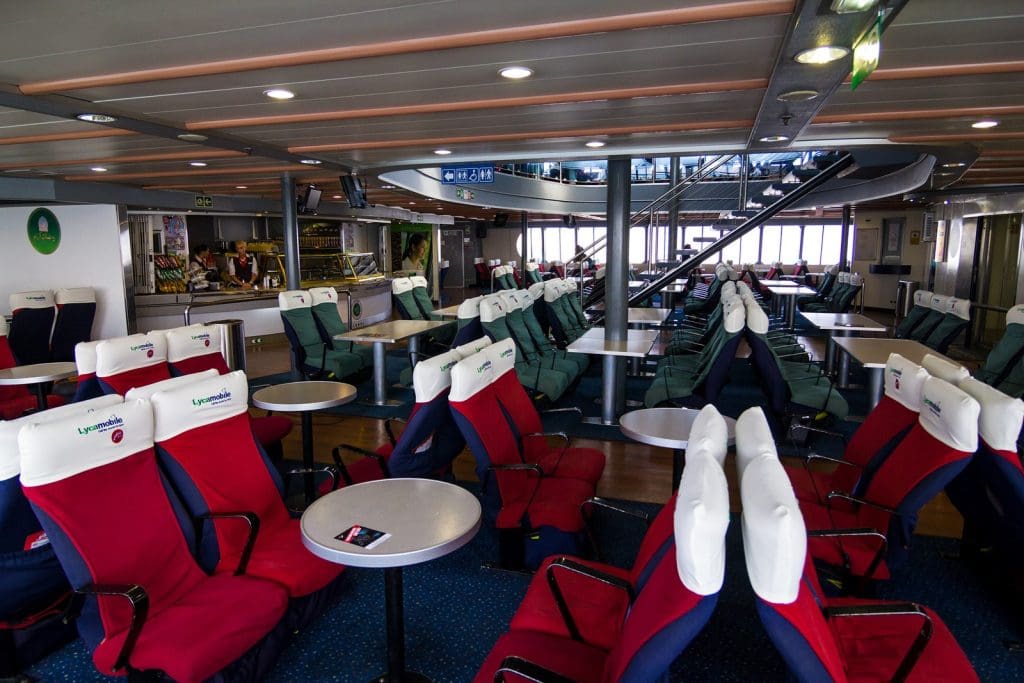
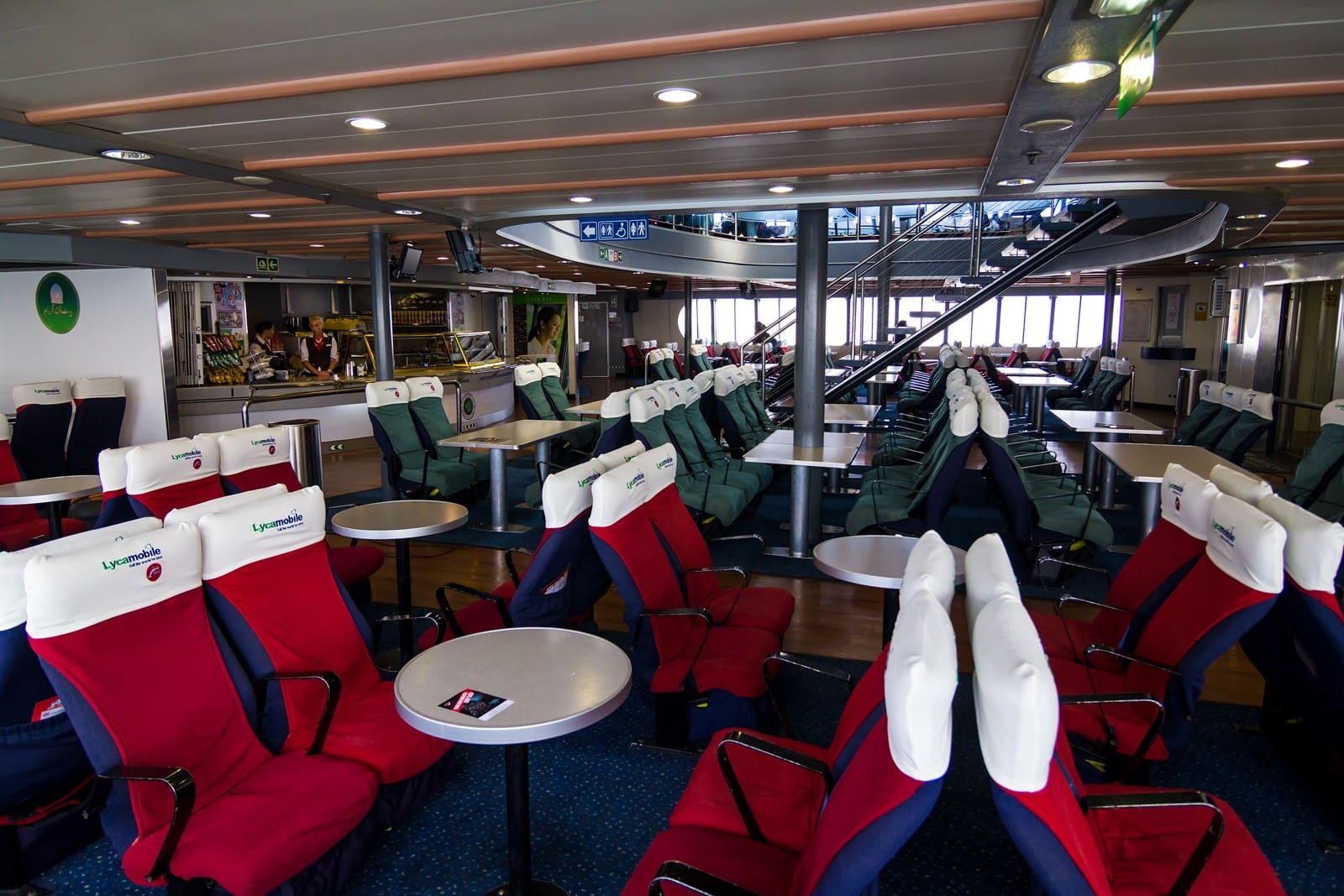
Prom do Tangeru wybraliśmy z TarifyWe took the ferry to Tangier from Tarifa, a small Spanish town at the southernmost tip of mainland Europe. The crossing takes around an hour and is an experience in itself. Watching the European coastline slowly disappear into the distance as Africa comes into view is something quite special.
There were also passport checks and luggage controls to go through, so it's worth allowing more time for the journey than just the ferry crossing itself.
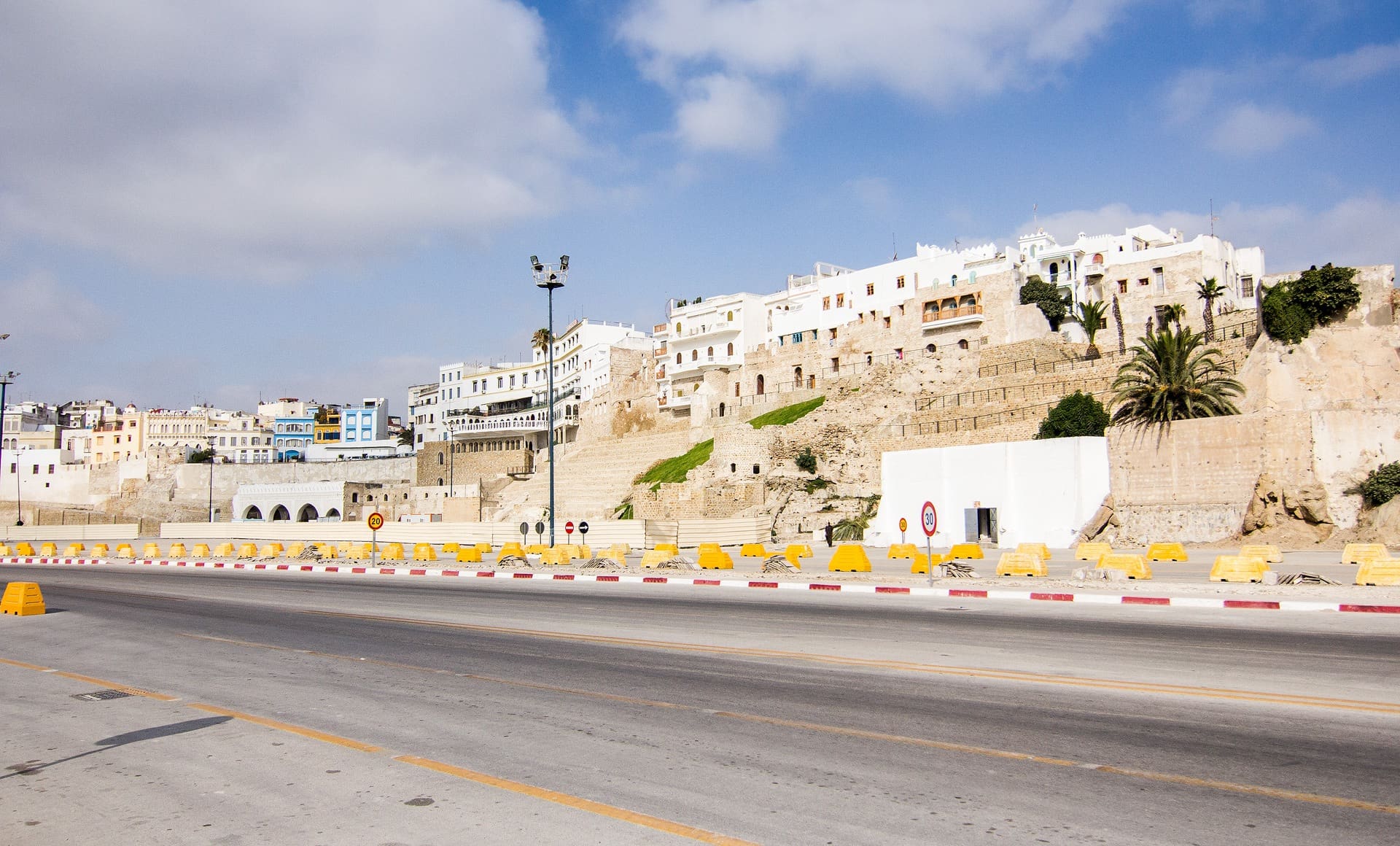
And then we stepped ashore.
Almost immediately, we felt as though we'd entered a completely different world. We'd barely left the port building when we found ourselves surrounded by a noisy crowd of locals offering taxis, guided tours, and all kinds of assistance. Everyone had something to offer, everyone wanted to take us somewhere, and everyone insisted their deal was the best.
Luckily, we quickly learned that a polite but firm “no, thank you” usually did the trick. After a few attempts to persuade us, most of the drivers and vendors eventually moved on, leaving us to take in the noise, energy, and unmistakable atmosphere of Tangier.
Tangier, A City Where Two Worlds Meet
Tangier is no ordinary Moroccan city. Its strategic position at the entrance to the Strait of Gibraltar has made it a meeting point for merchants, sailors, travellers, and people from different cultures for centuries.
The city's history is long and often turbulent. Its origins go back to ancient times, when it was already an important trading centre. Over the centuries, Tangier came under the influence of several civilisations, including the Phoenicians, Romans, and Arabs.
In the 15th century, Tangier came under Portuguese rule. In 1661, it was handed over to England as part of the dowry of Catherine of Braganza, a Portuguese princess who married King Charles II. The British remained for just over two decades before eventually withdrawing from the city.
Looking for tours and things to do in Tangier and the surrounding area? 👇🏻 A One-Day Plan Full of Excitement in Malaga 👇🏻
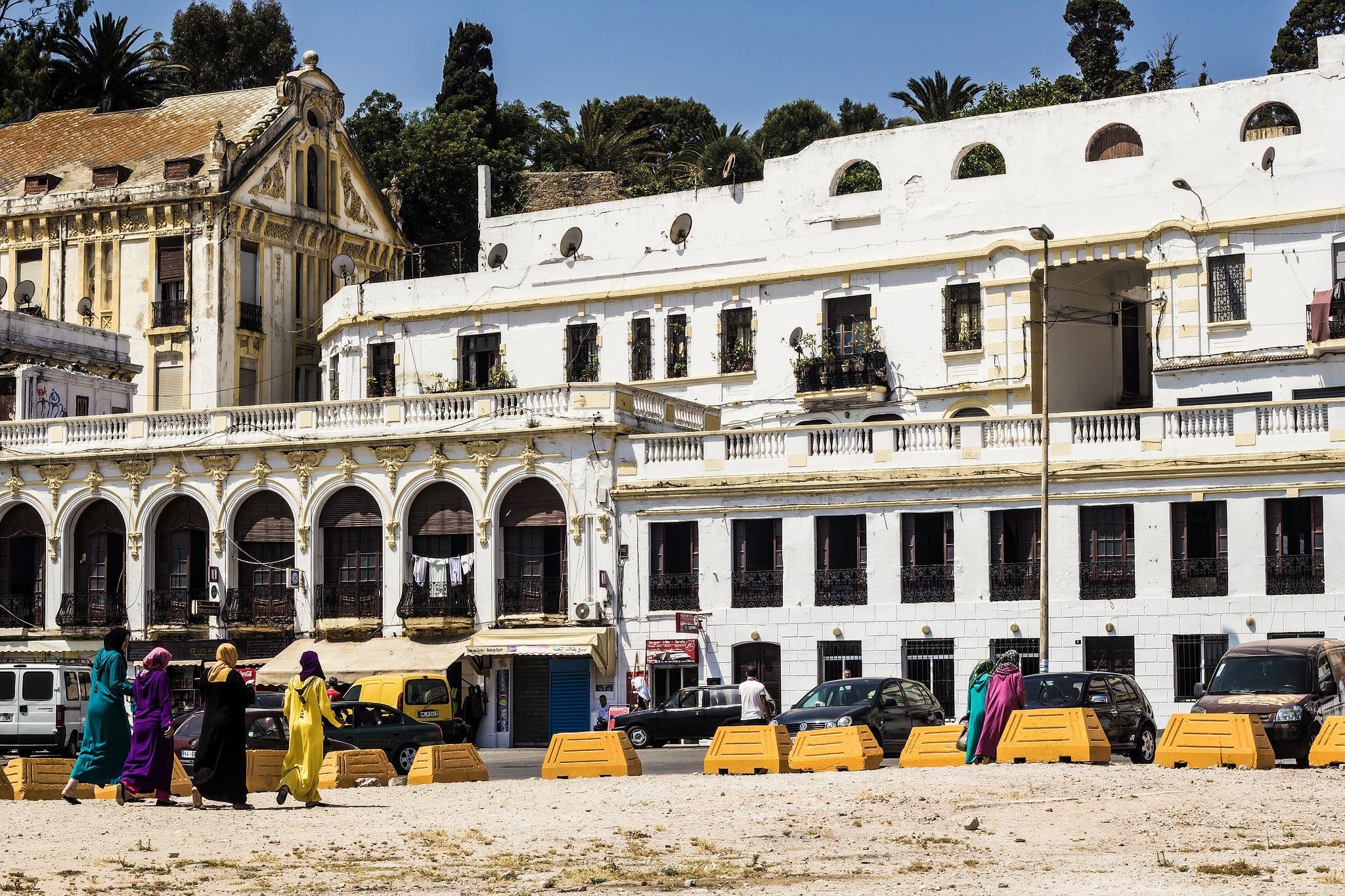
French and Spanish colonial influence also left its mark on Tangier. In 1923, the city was designated an International Zone, a unique territory administered by several foreign powers. This unusual status helped turn Tangier into a haven for writers, artists, musicians, and free spirits from around the world. The city developed a reputation for its bohemian lifestyle, creative freedom, and unconventional atmosphere. Among those drawn to Tangier was the American writer William S. Burroughs, who lived here for several years and wrote much of his famous novel Naked Lunch. The city's mysterious, sometimes chaotic atmosphere influenced his work, including his portrayal of the fictional Interzone. Tangier also attracted other well-known figures, including writer and composer Paul Bowles, as well as members of The Rolling Stones and The Beatles. Over the years, the International Zone was governed through a complicated arrangement involving several countries. France, Spain, and the United Kingdom played important roles in its administration, while Portugal, Italy, Belgium, the Netherlands, Sweden, and the United States also became involved. It was this extraordinary mixture of cultures, languages, and influences that gave Tangier its distinctive identity. And traces of that fascinating past can still be found everywhere, in its architecture, winding streets, historic cafés, and the everyday life of its people.
Tangier can be chaotic, noisy, and even a little overwhelming at times, but there's something undeniably captivating about it.
This remarkable multicultural chapter came to an end in 1956, when Tangier was reintegrated into an independent Morocco.
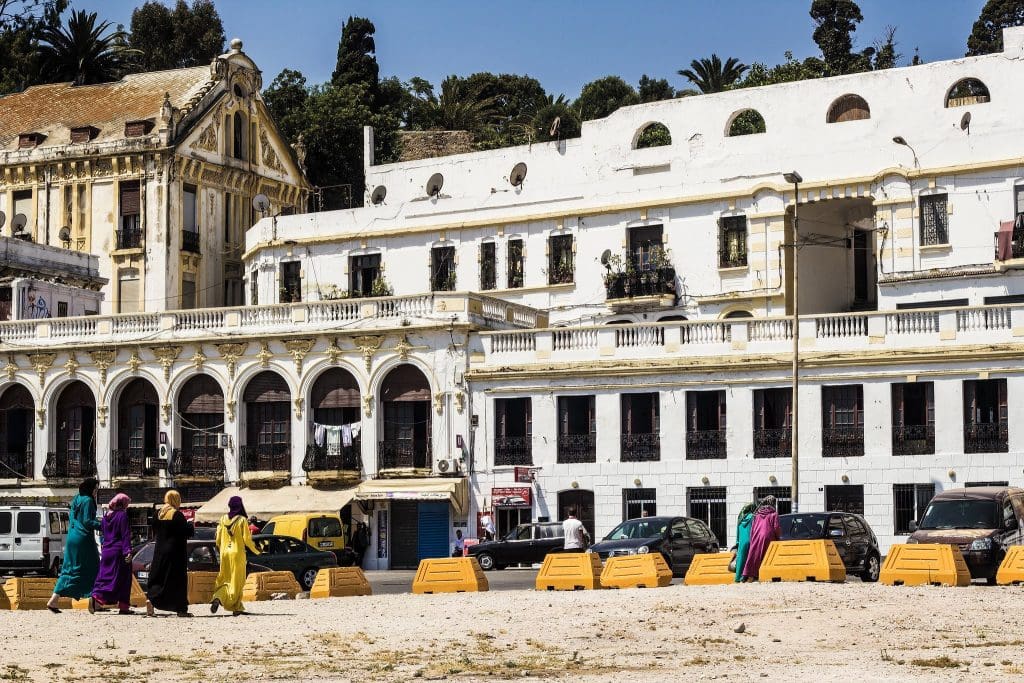
What's worth seeing in Tangier?
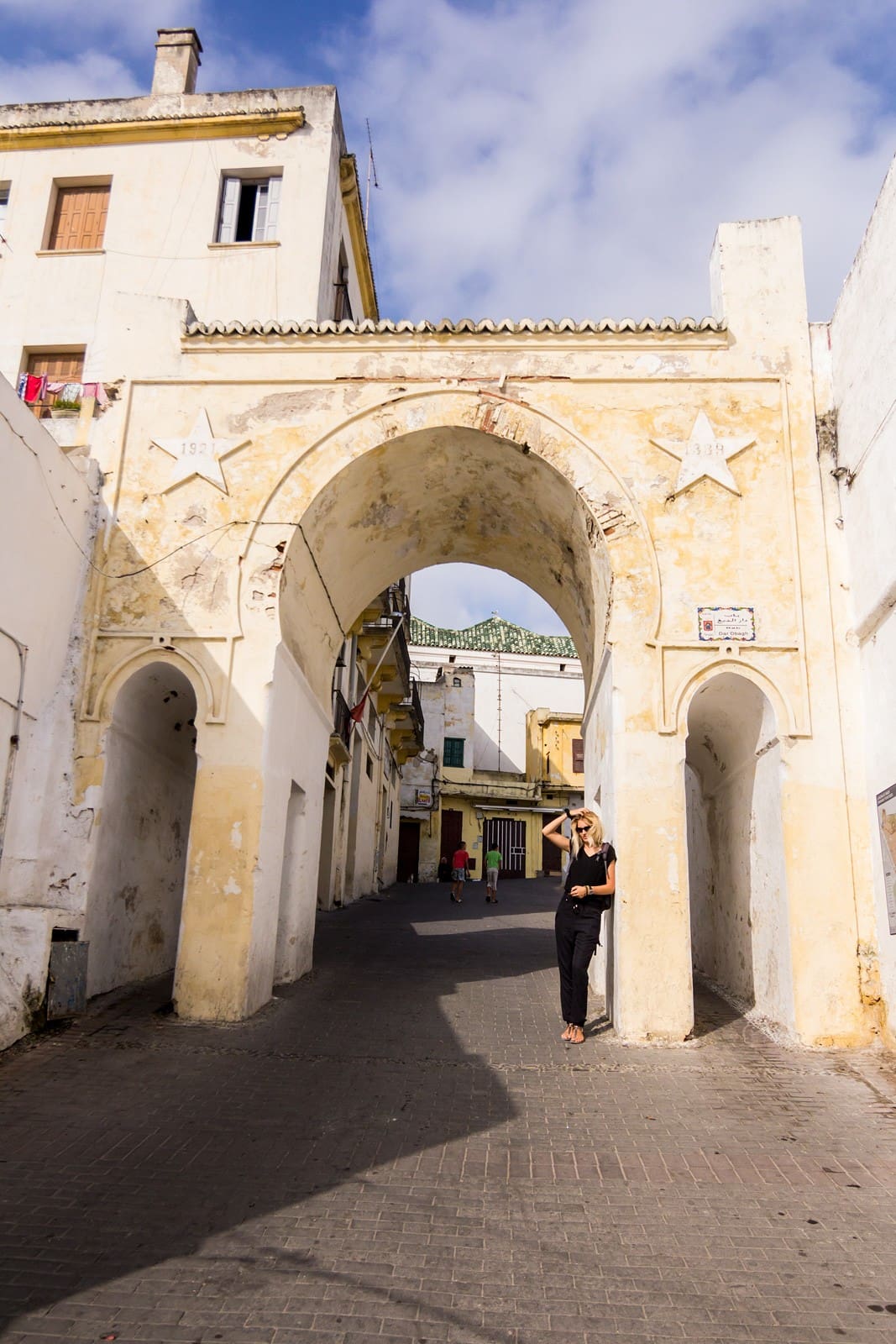
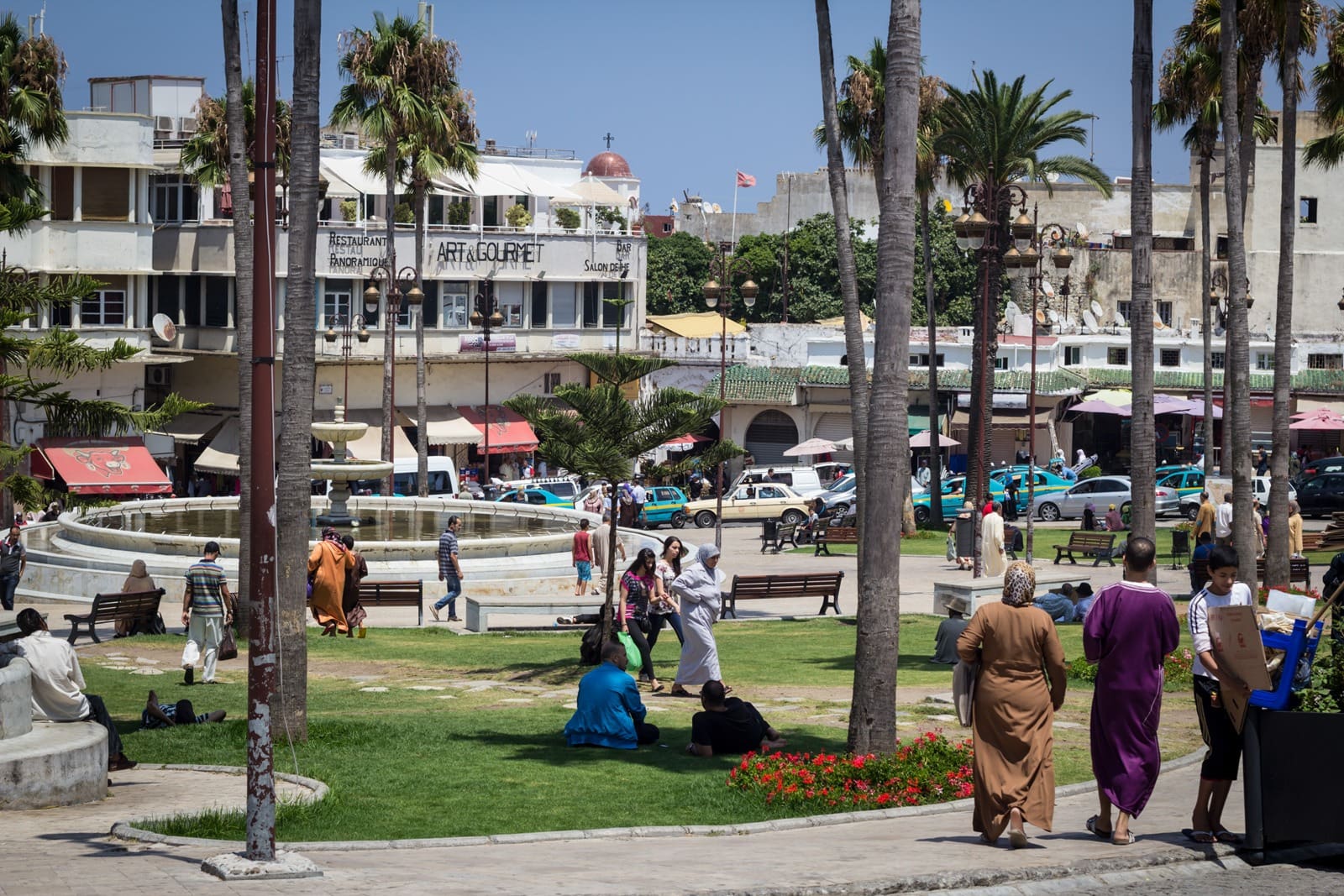
We started exploring Tangier in the medina, the oldest part of the city and, in my opinion, the best place to experience the true atmosphere of Morocco.
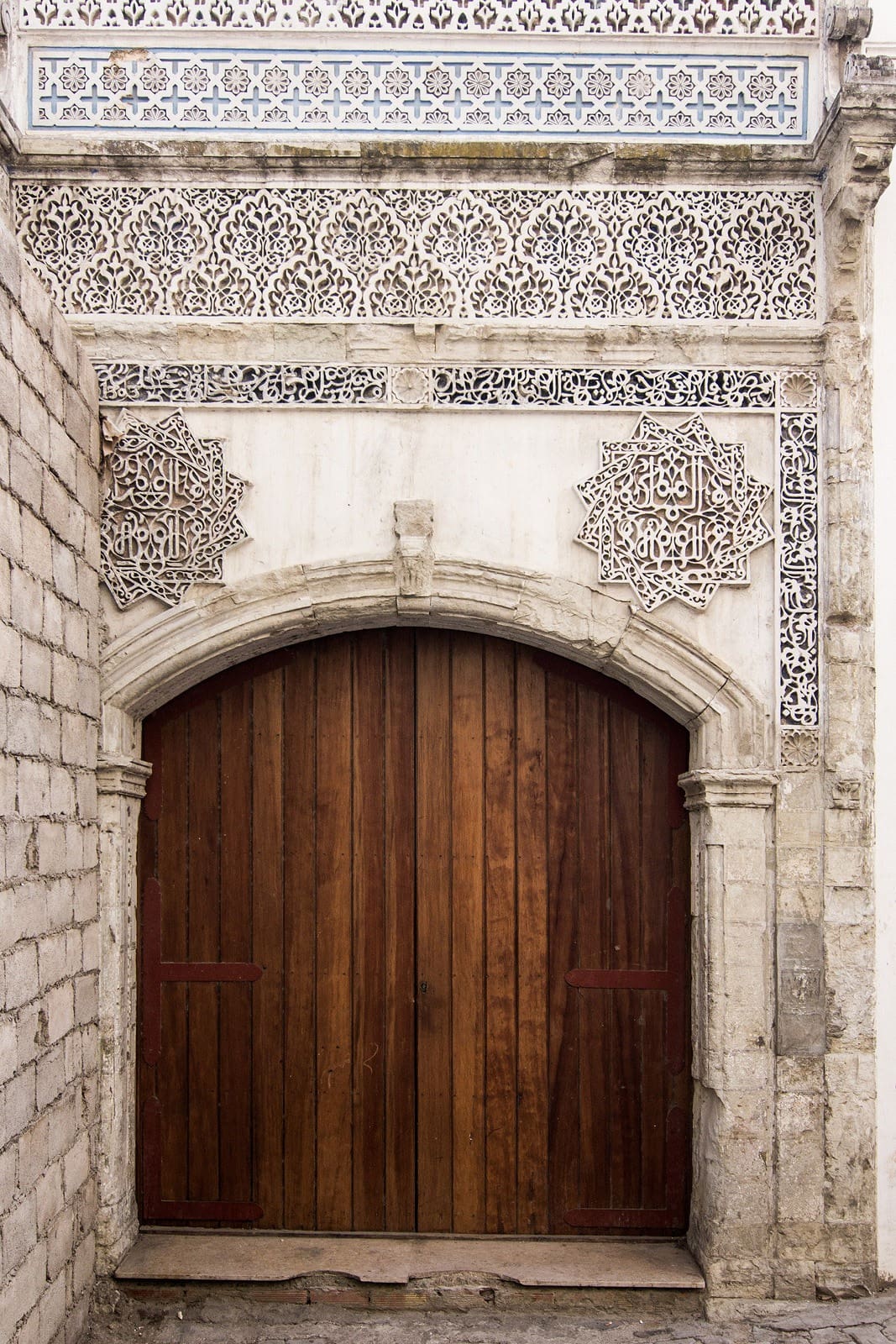
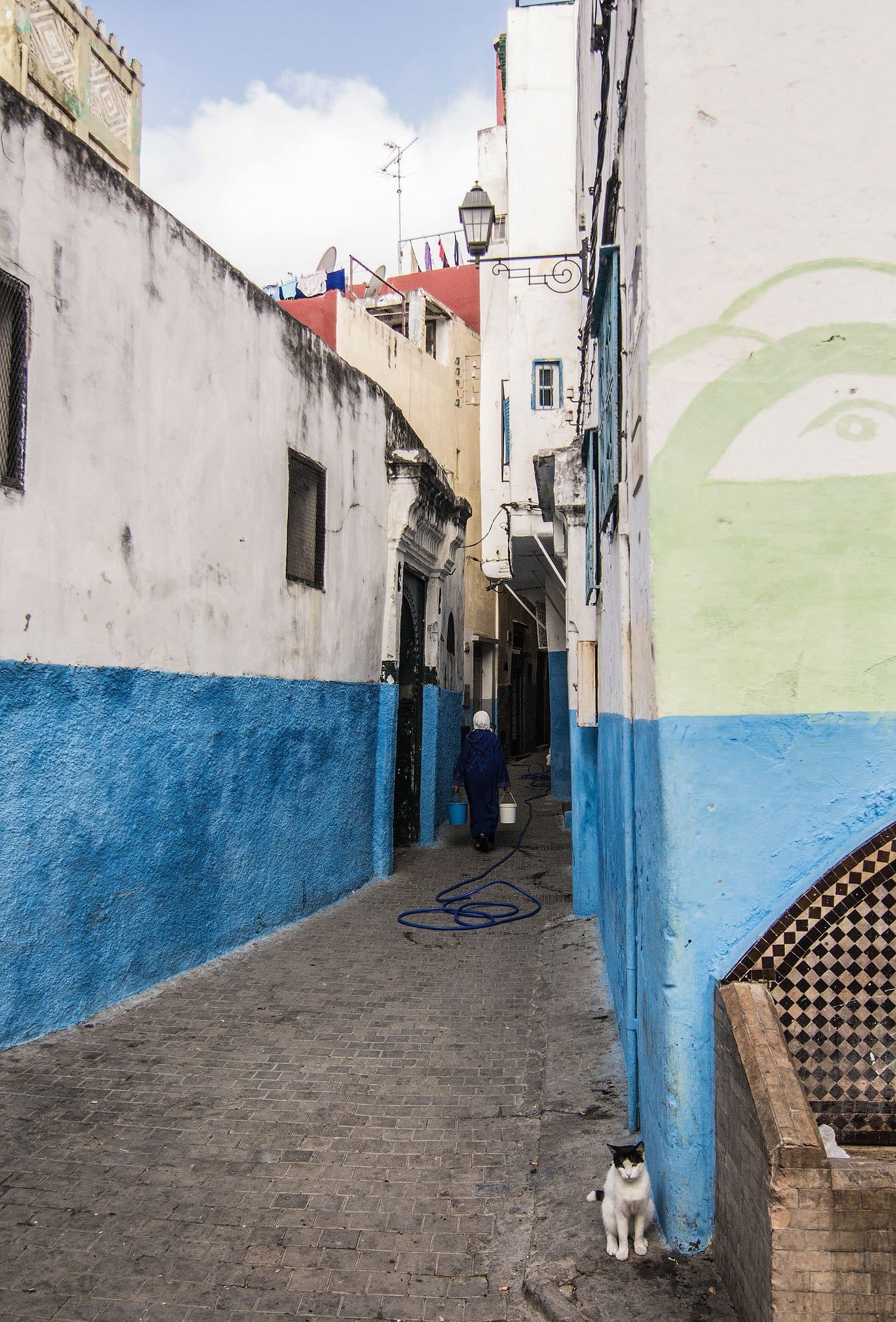
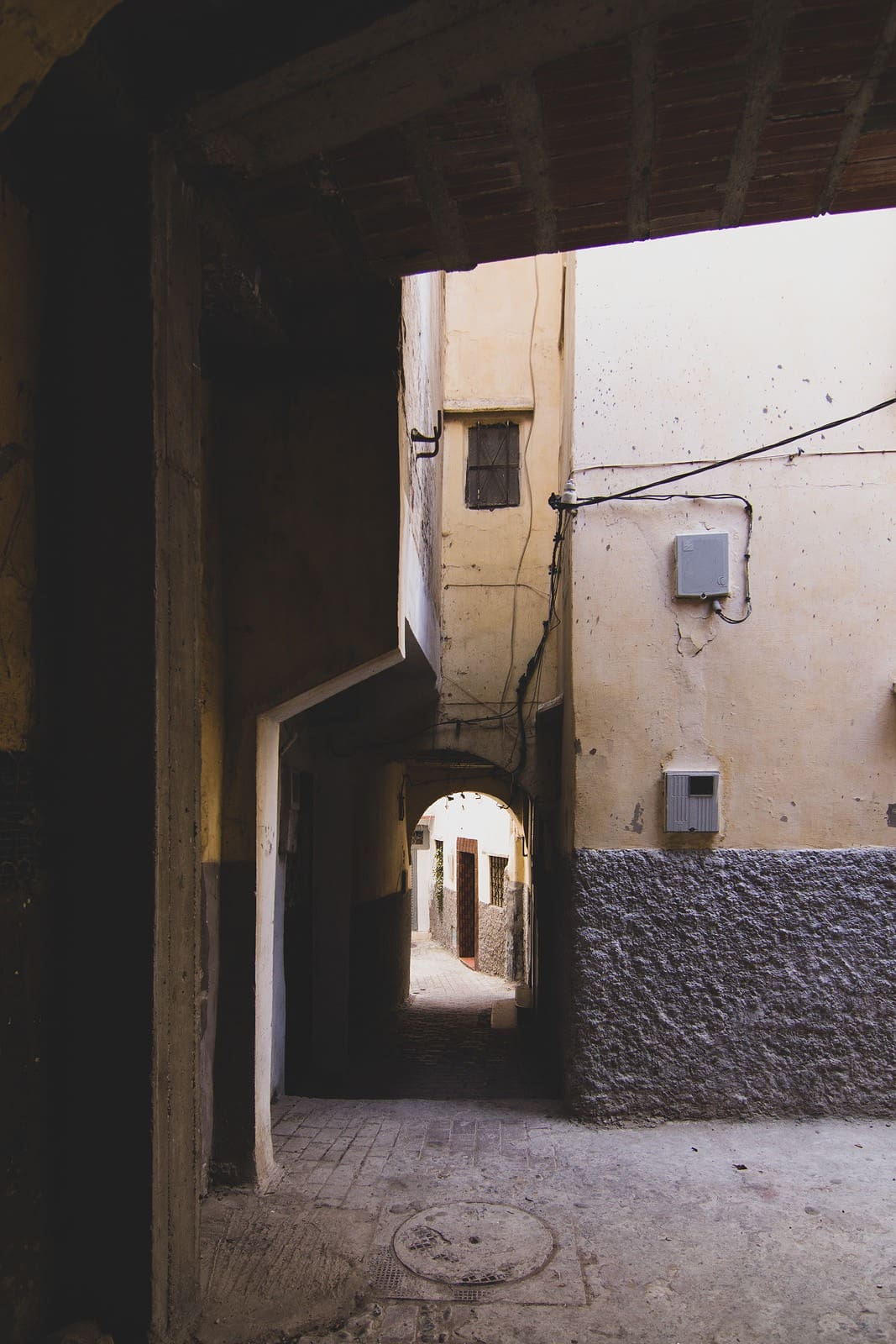
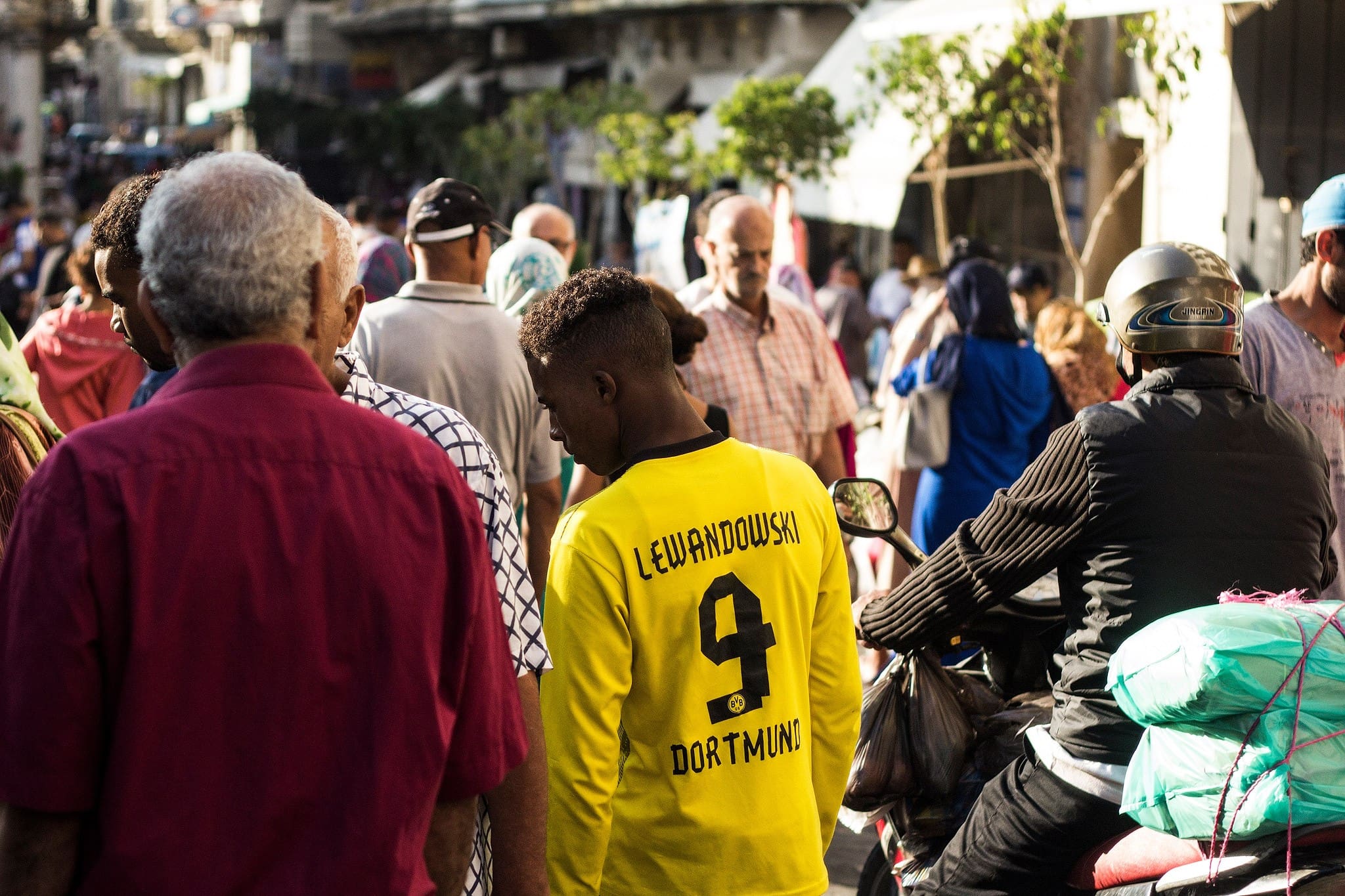
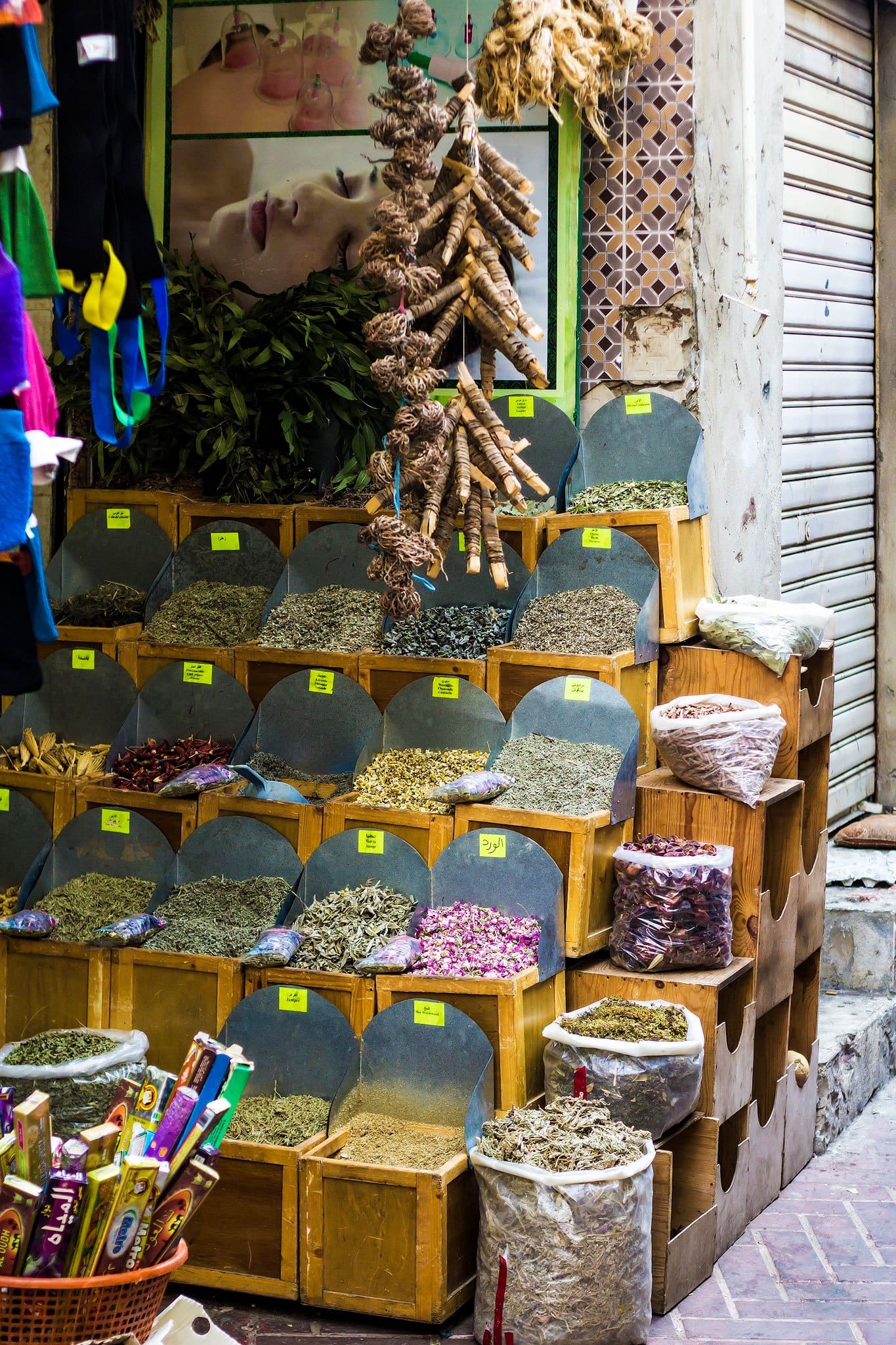
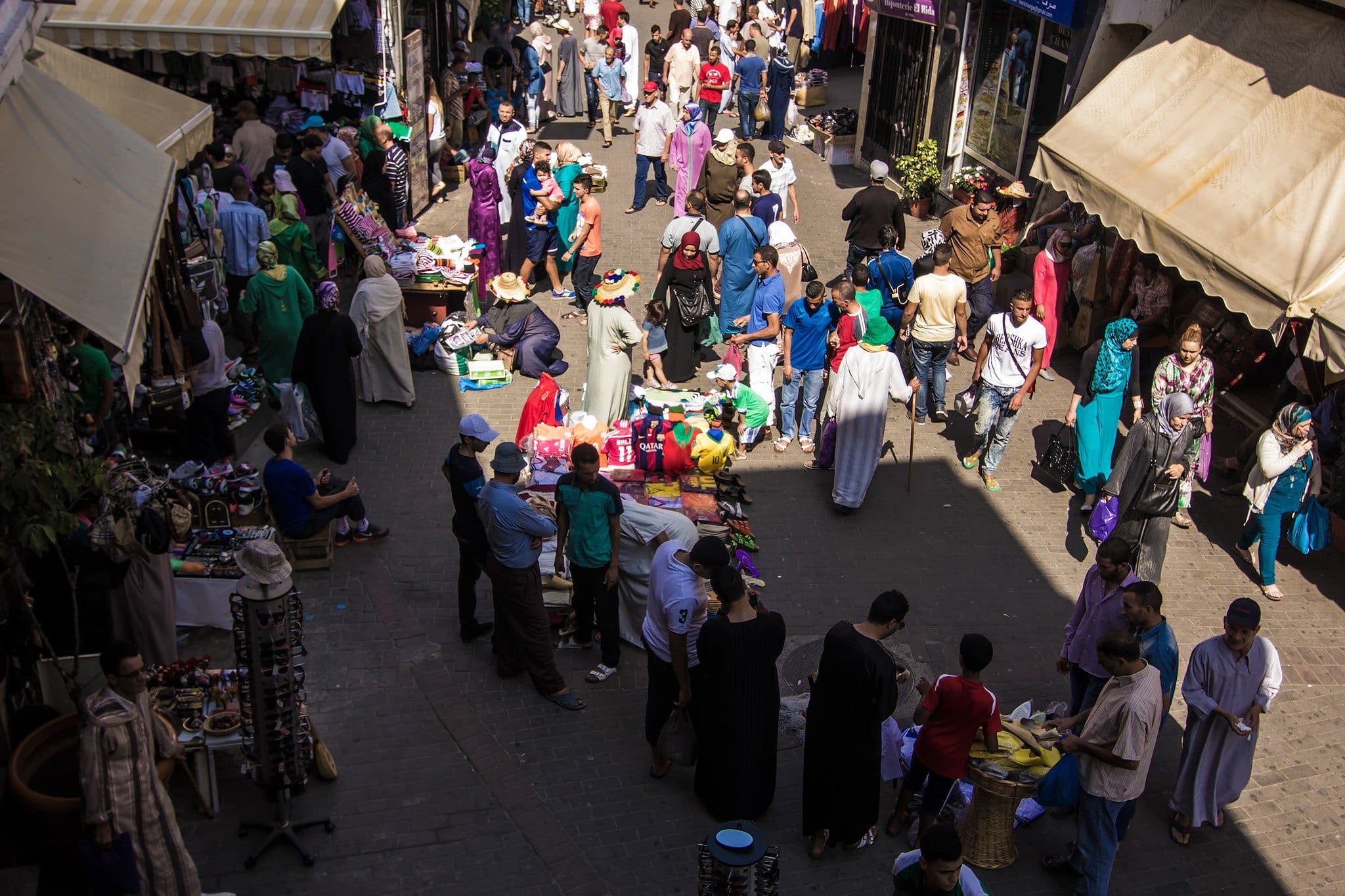
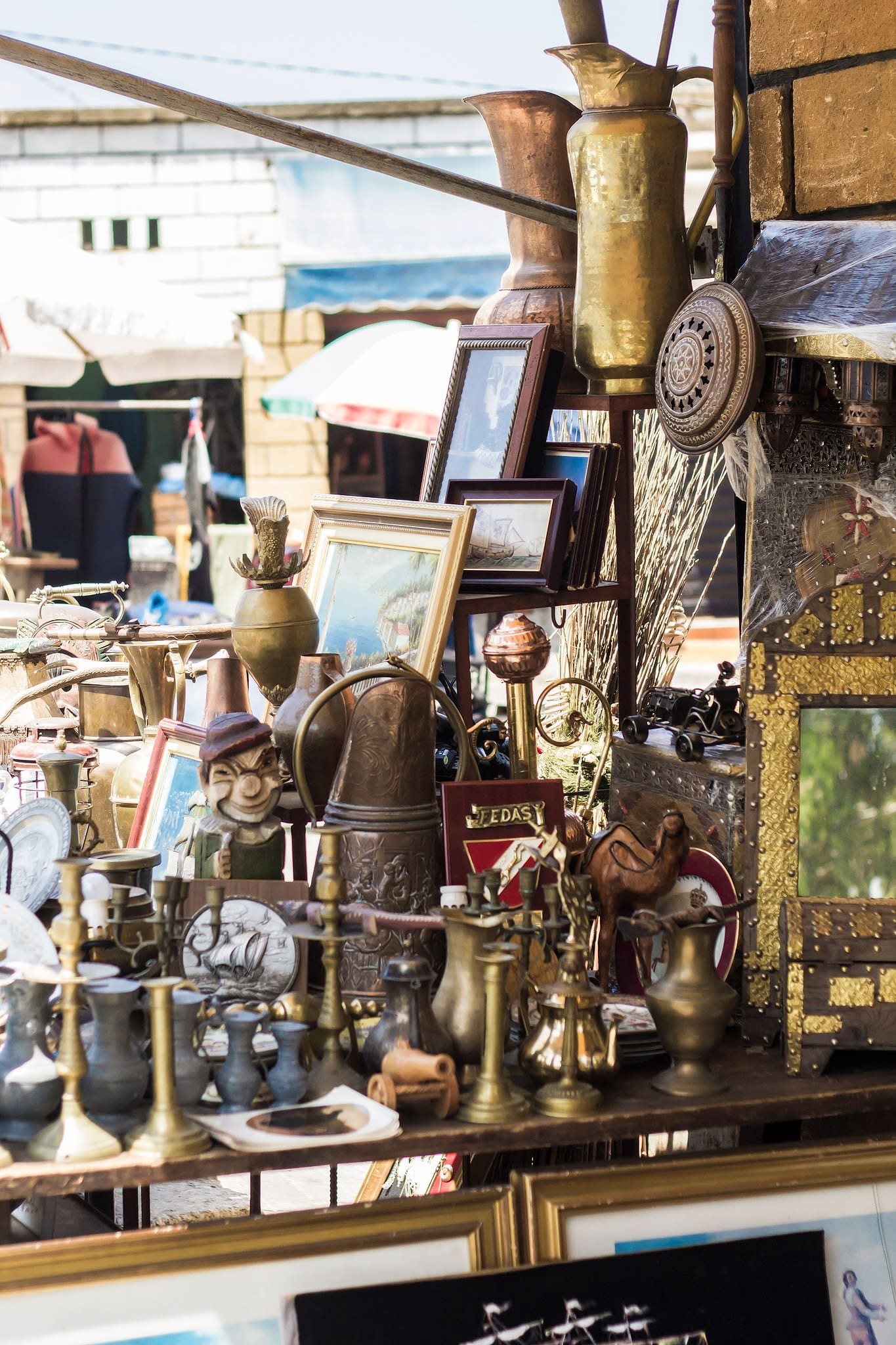
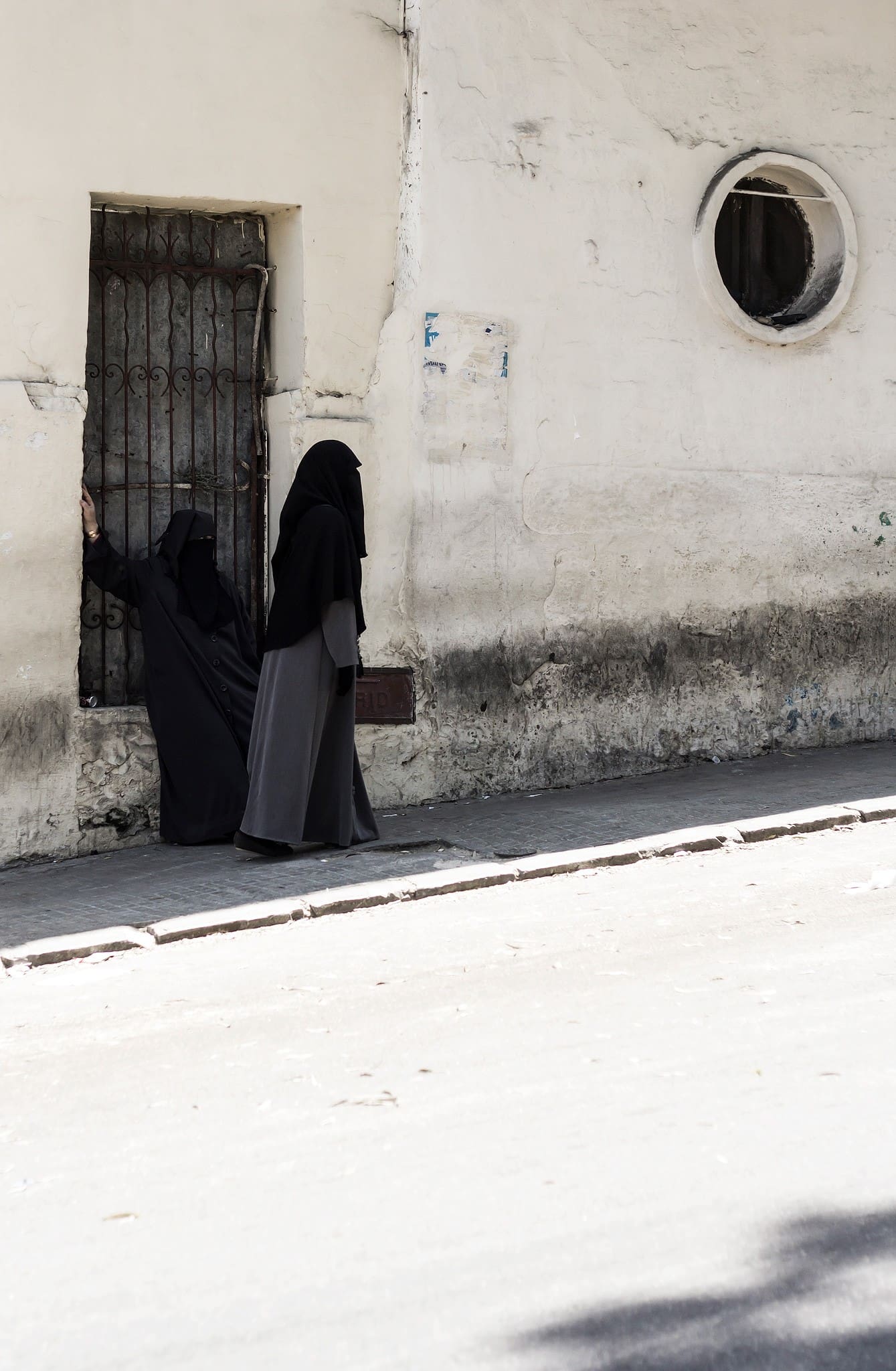
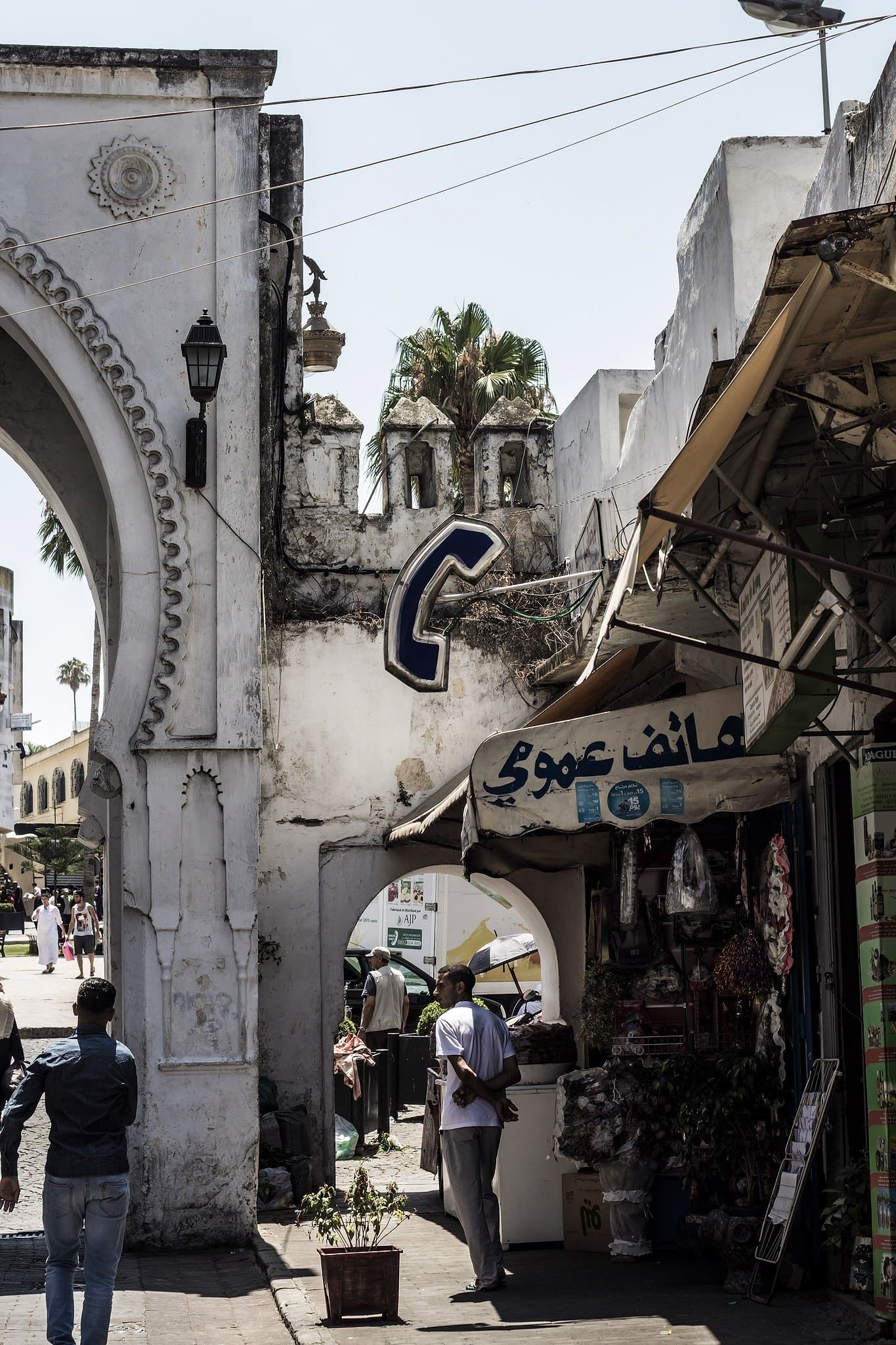
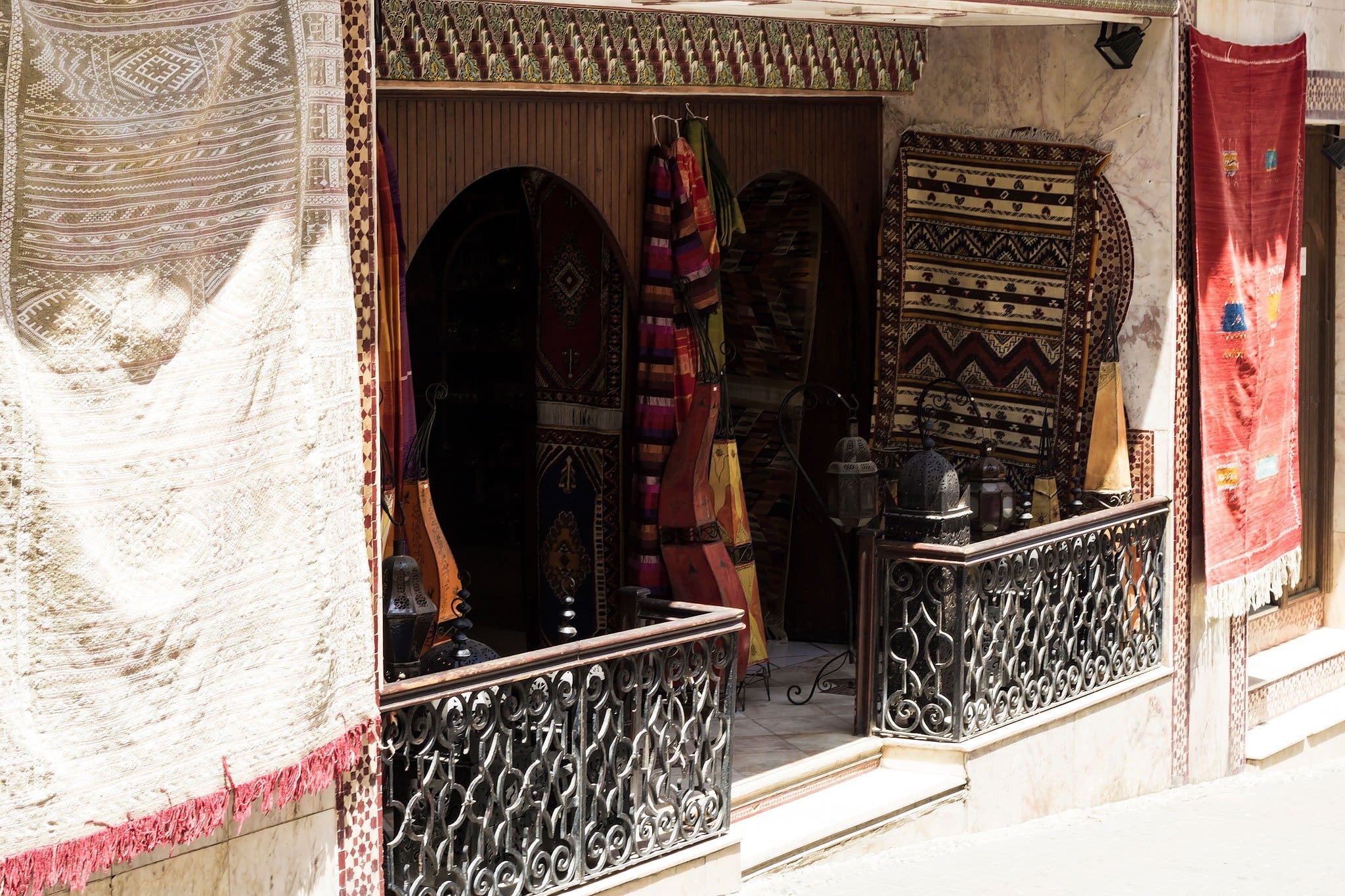
Narrow streets twist and turn, sometimes climbing uphill, sometimes disappearing into unexpected little passageways. Everywhere you look, there are tiny shops, market stalls, open workshop doors, and locals going about their everyday lives.
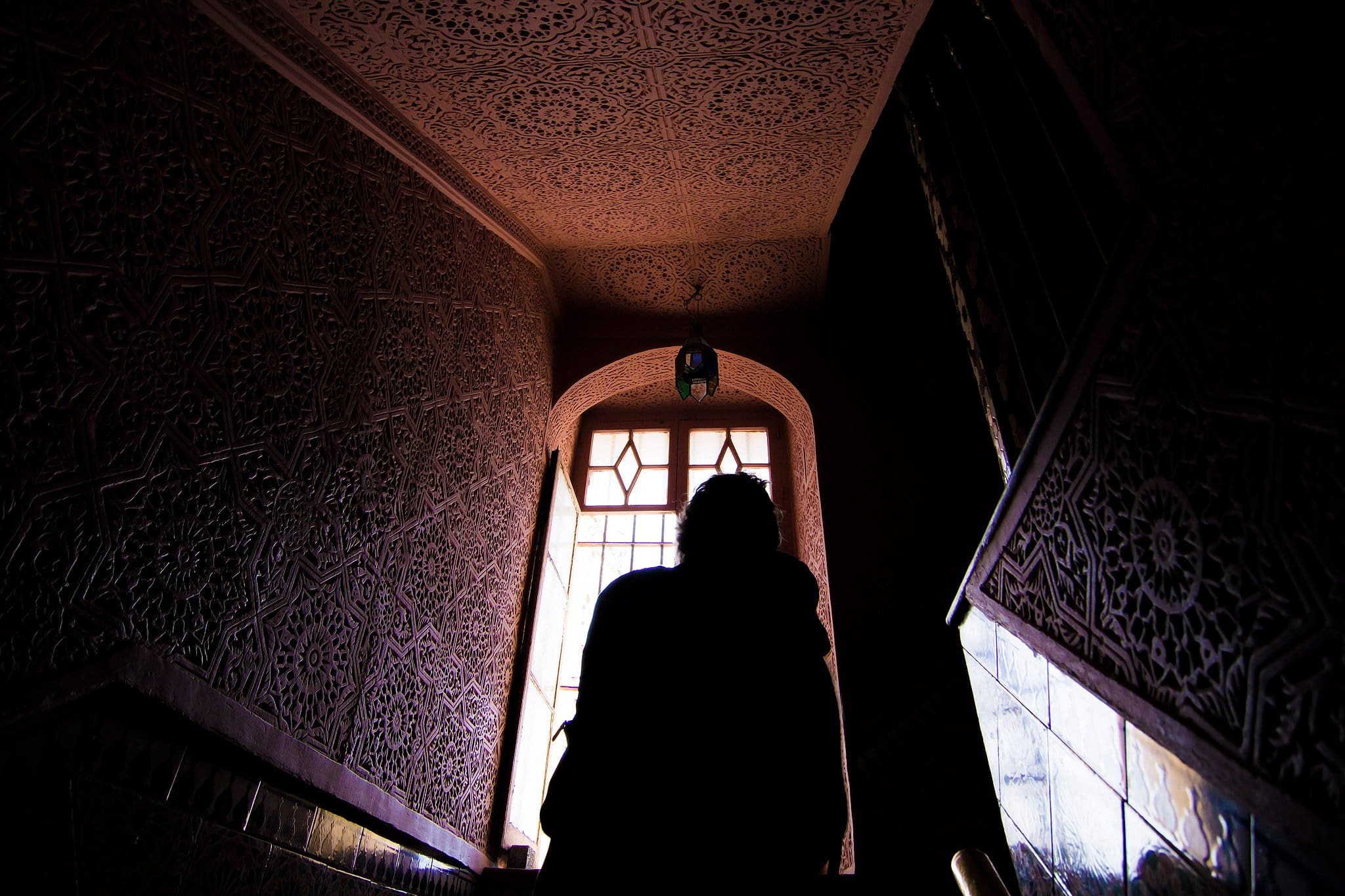
It's easy to lose your sense of direction here. The medina feels like a maze, but that's exactly what makes it so charming. Rather than trying to follow a strict sightseeing route, it's much more enjoyable to wander, explore the little side streets, and simply watch life unfold around you.
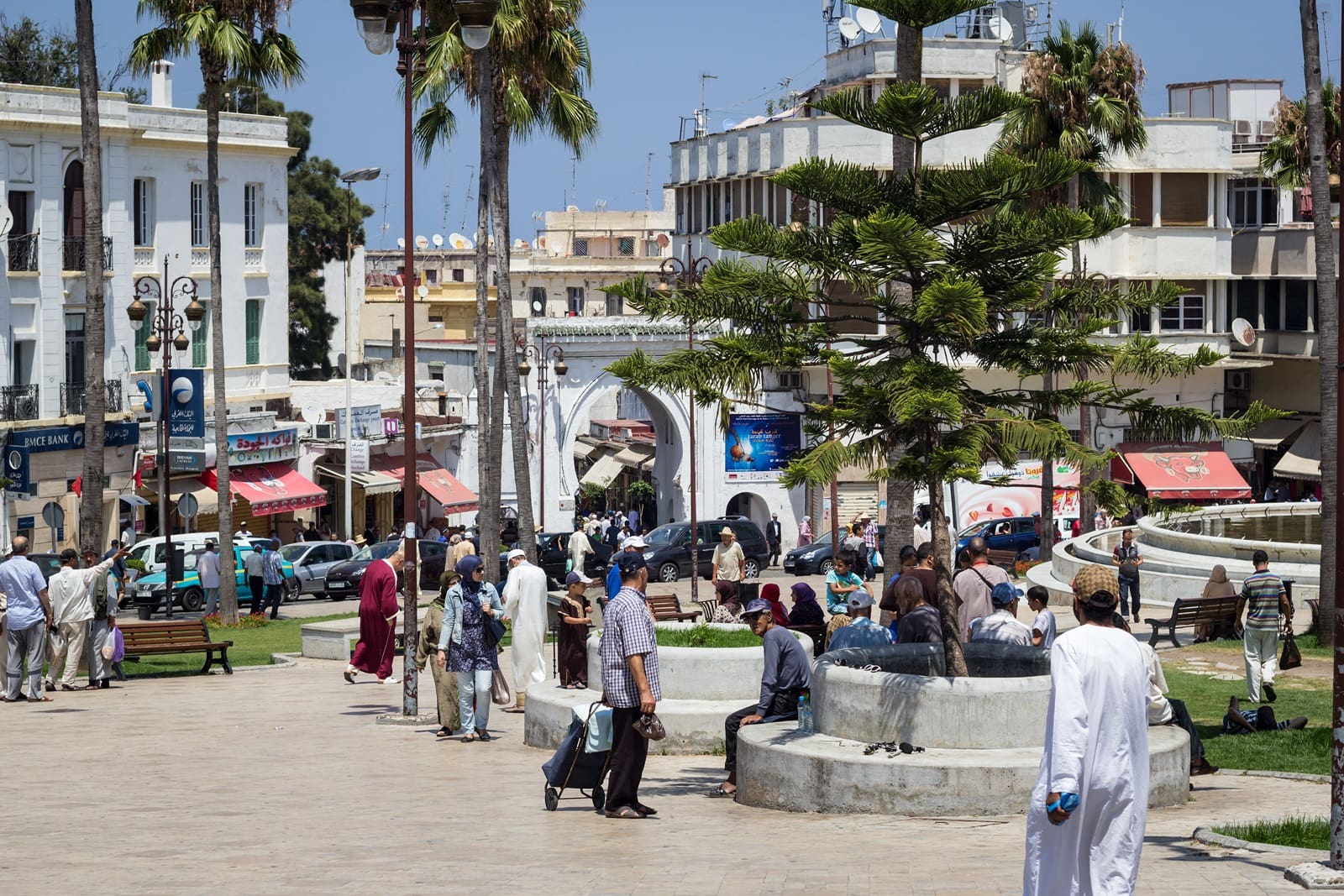
- One of Tangier's most recognisable landmarks is Grand Socco, a large square connecting the old medina with the newer part of the city. Not far away is Petit Socco, also known as Souk Dakhli, a small square tucked away in the heart of the medina.
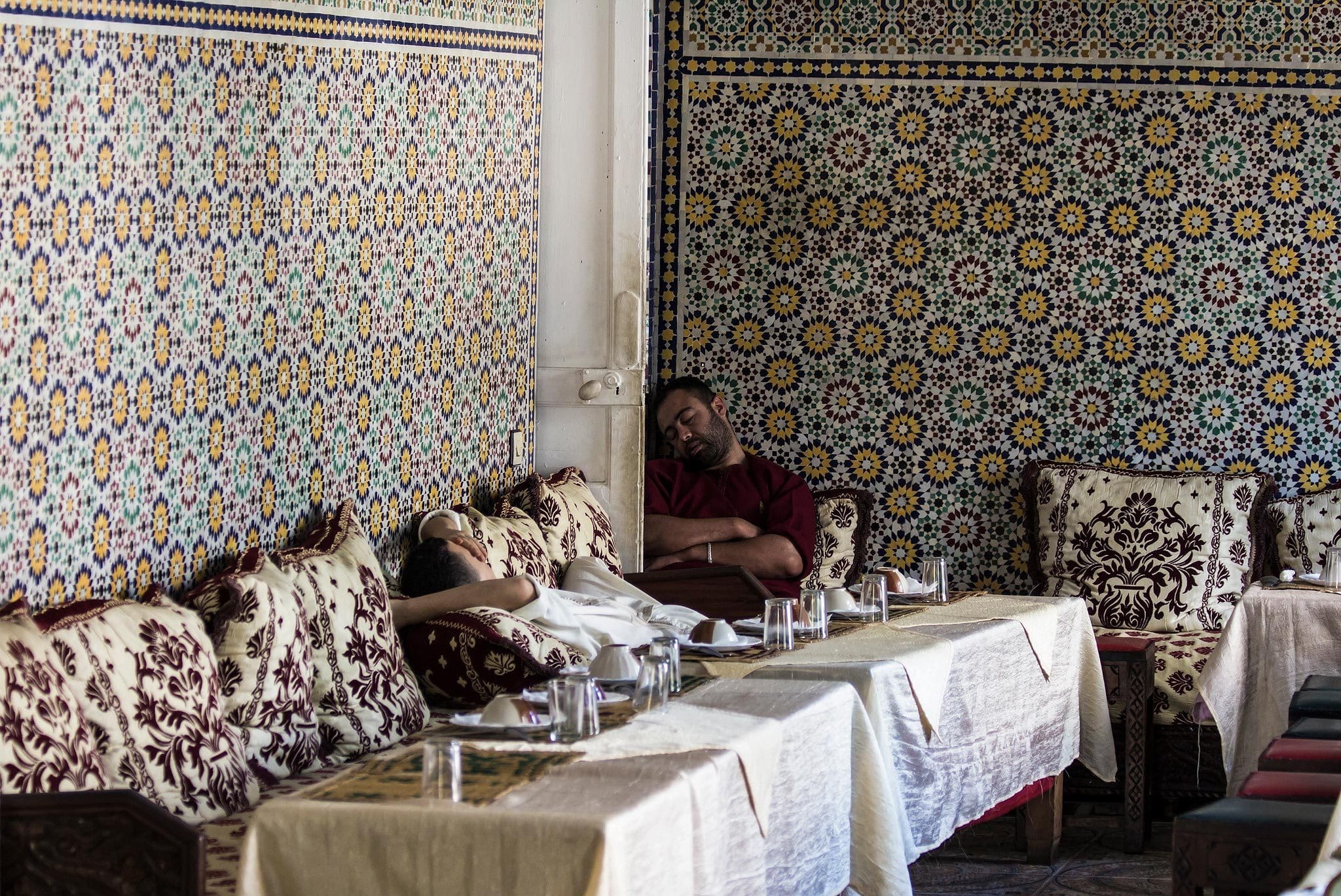
- Once an important trading hub, Petit Socco was surrounded by cafés, hotels, and establishments frequented by wealthy merchants and travellers. Today, it remains a lovely place to sit down, enjoy a coffee, and soak up the atmosphere. Two of its most famous historic cafés are Café Tingis and Café Central.
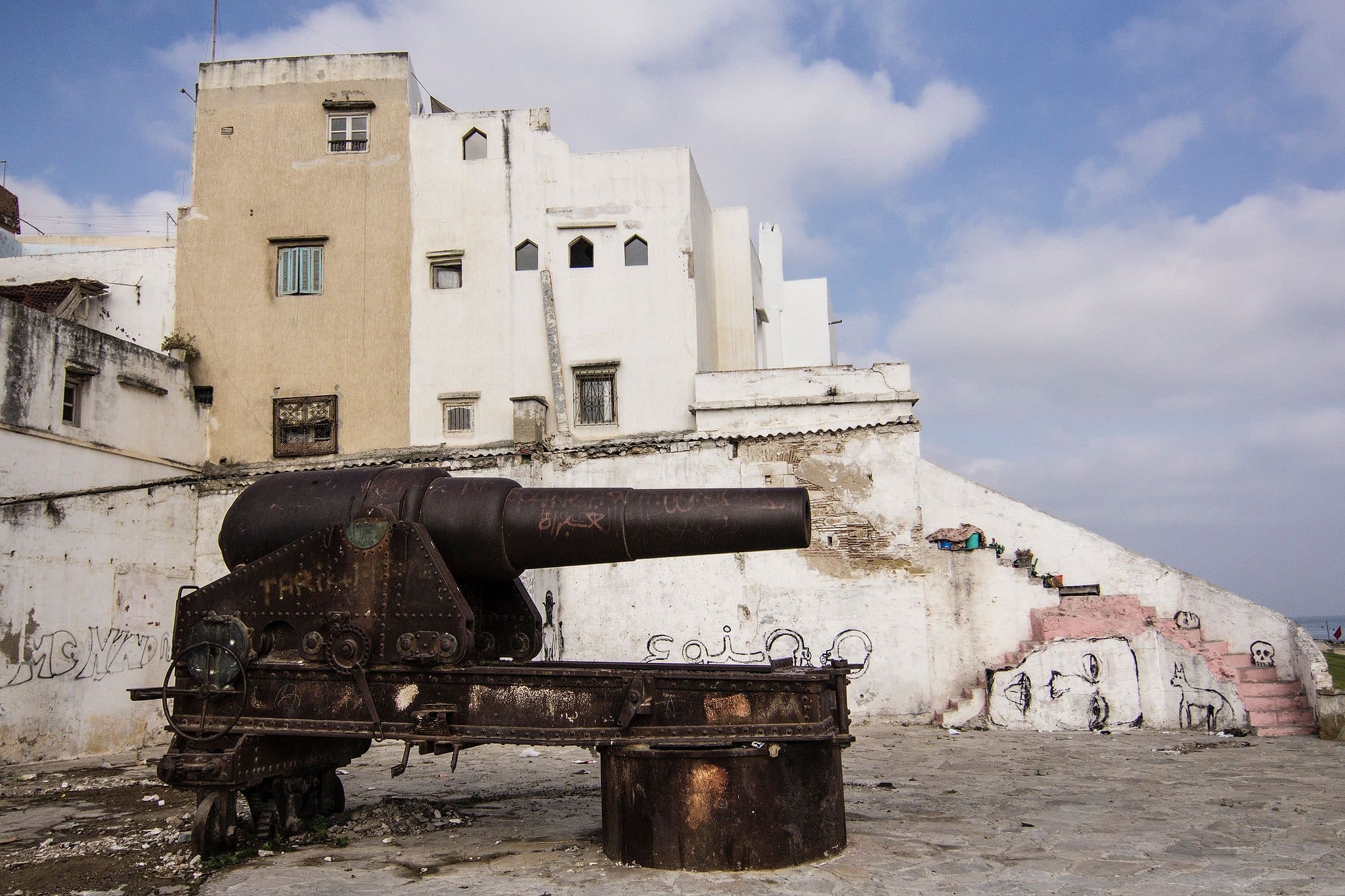
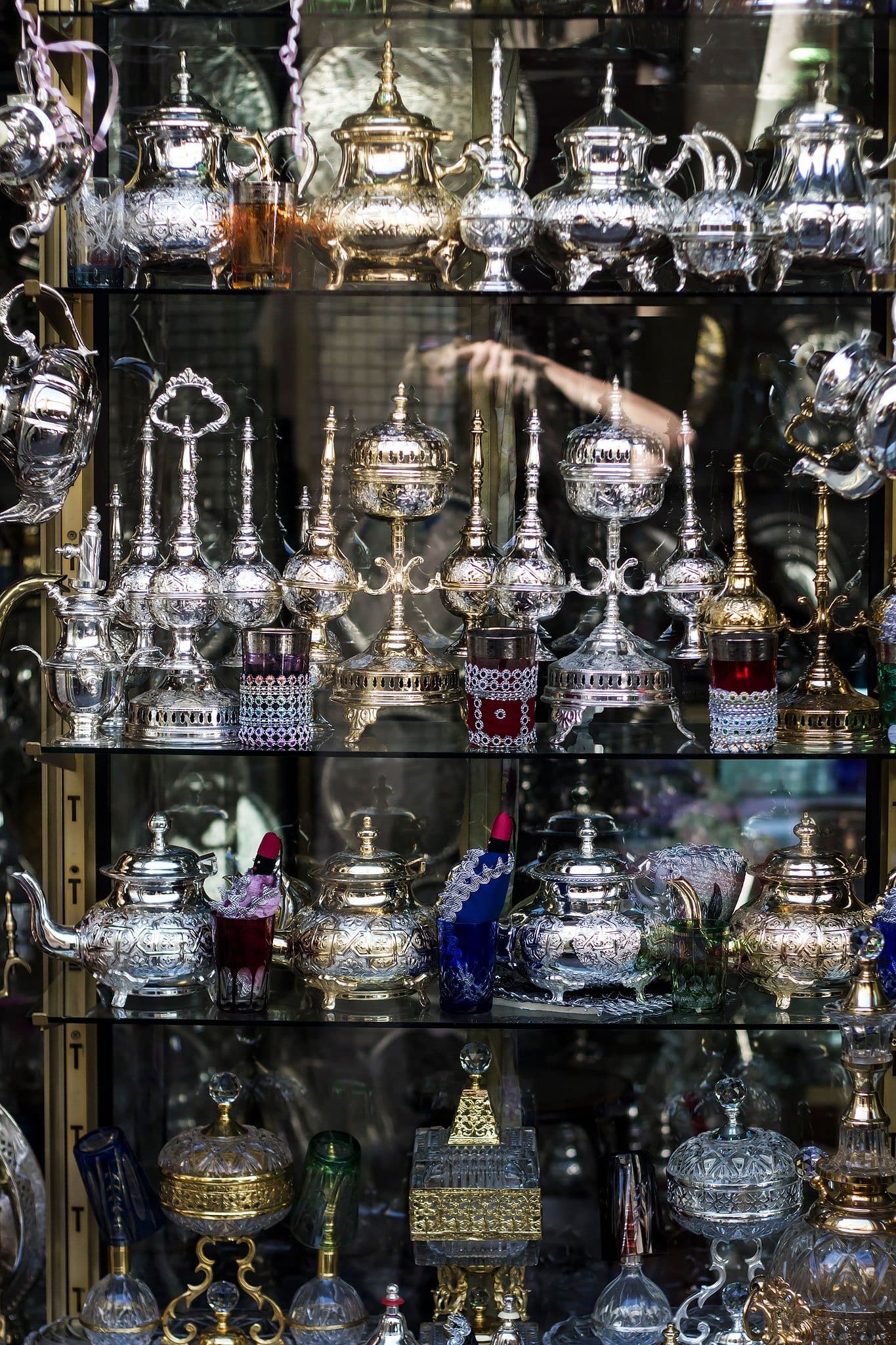
- Another place worth visiting is the Kasbah Museum, housed in a former sultan's palace. It's a great opportunity to learn more about Tangier's history, culture, and the people who have shaped the city over the centuries. Nearby, you'll also find Fils de Détroit, a charming little spot known for its traditional music and relaxed atmosphere. It's worth stopping by for a glass of Moroccan mint tea.
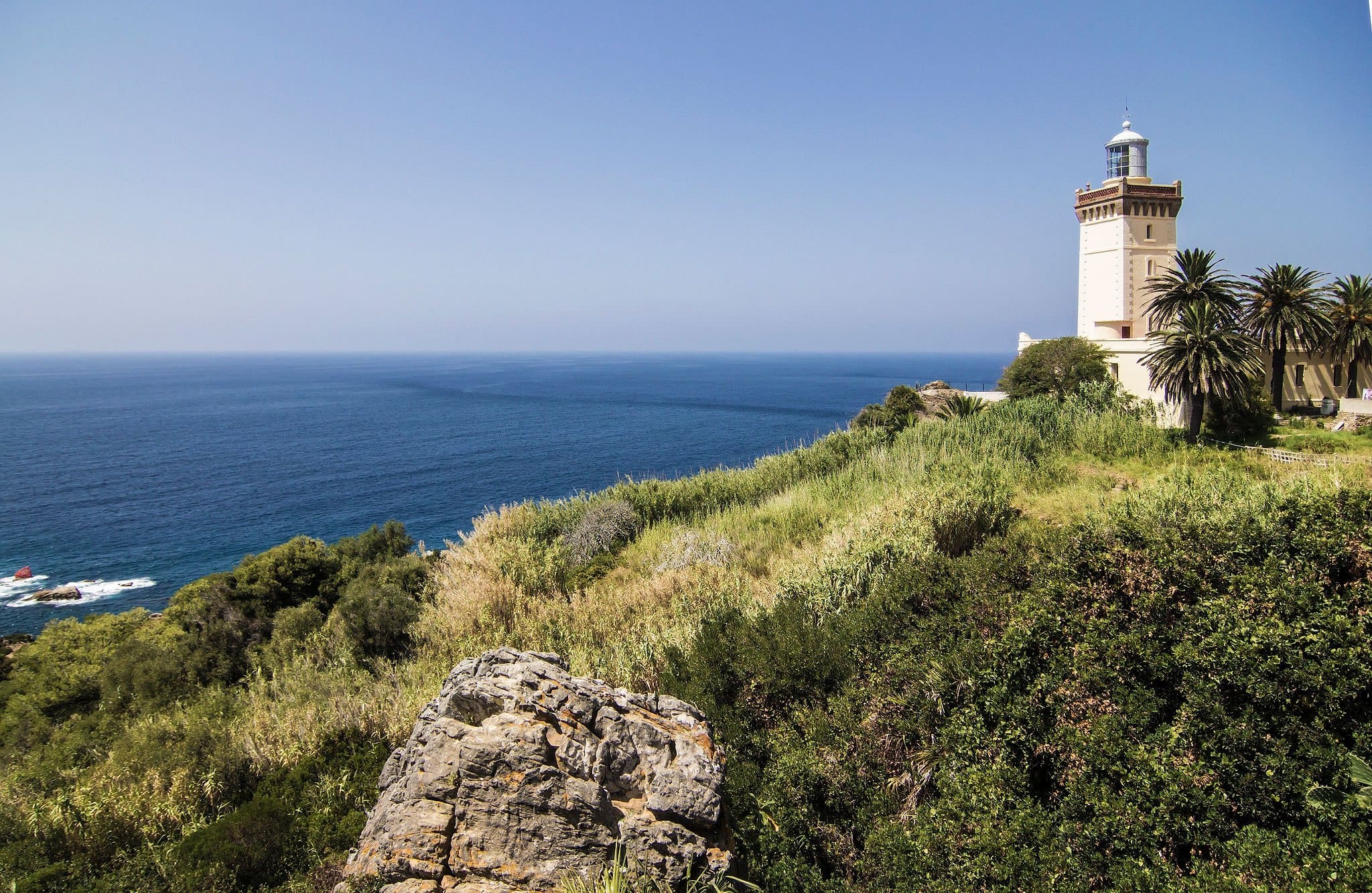
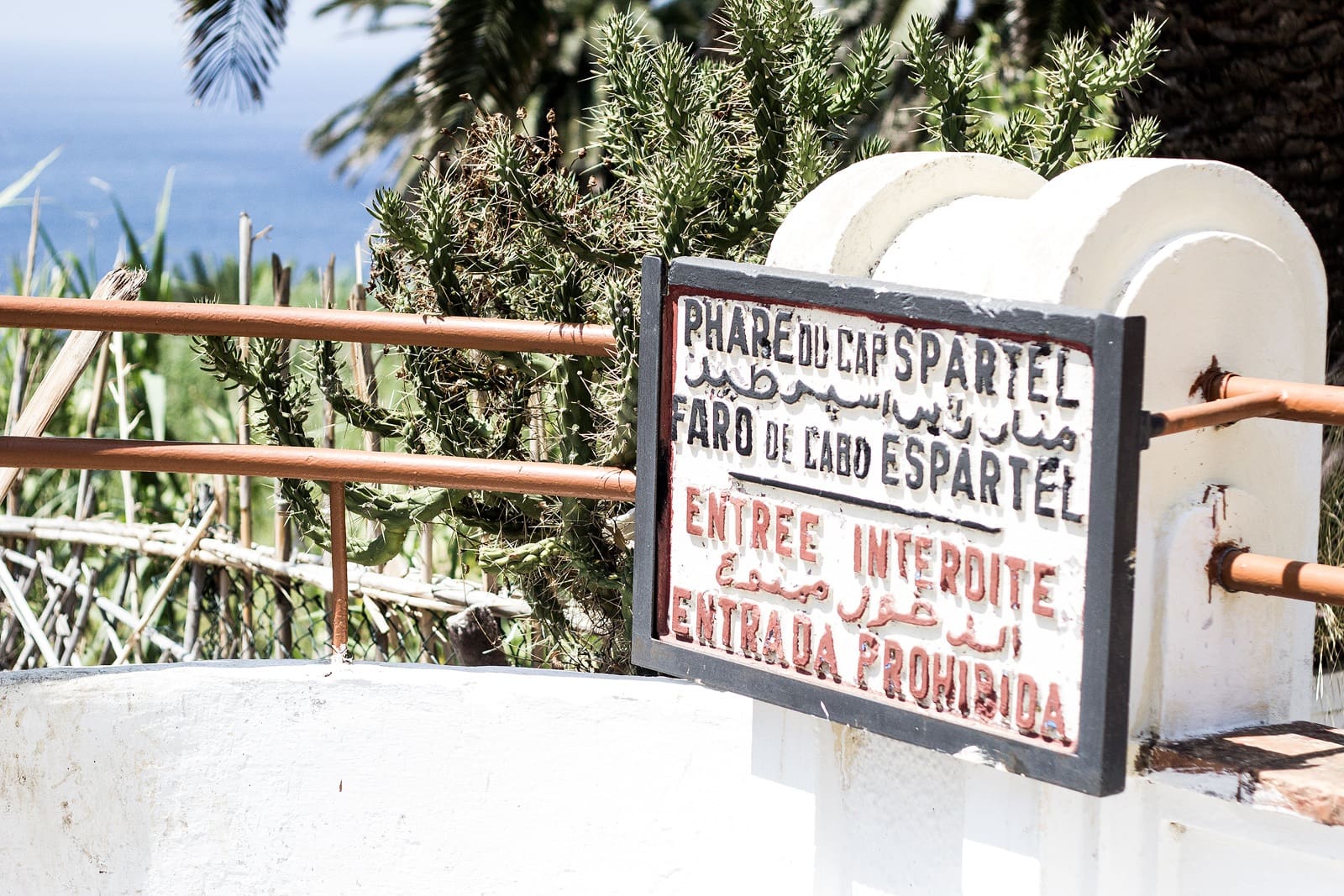
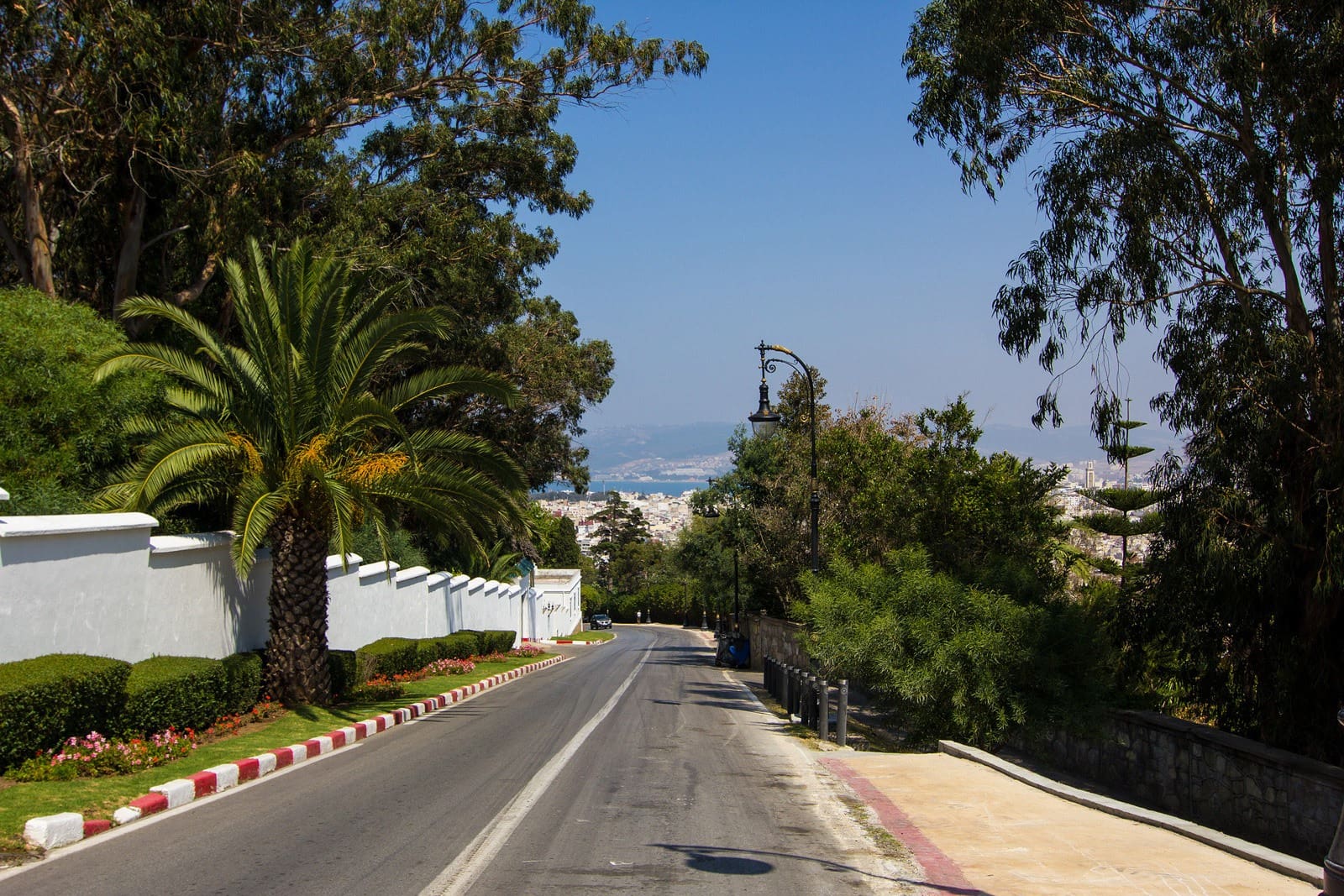
- If you have a little more time, consider heading outside the city centre to Cape Spartel and the Caves of Hercules. The easiest way to get there is by taxi, which you can arrange around Grand Socco.
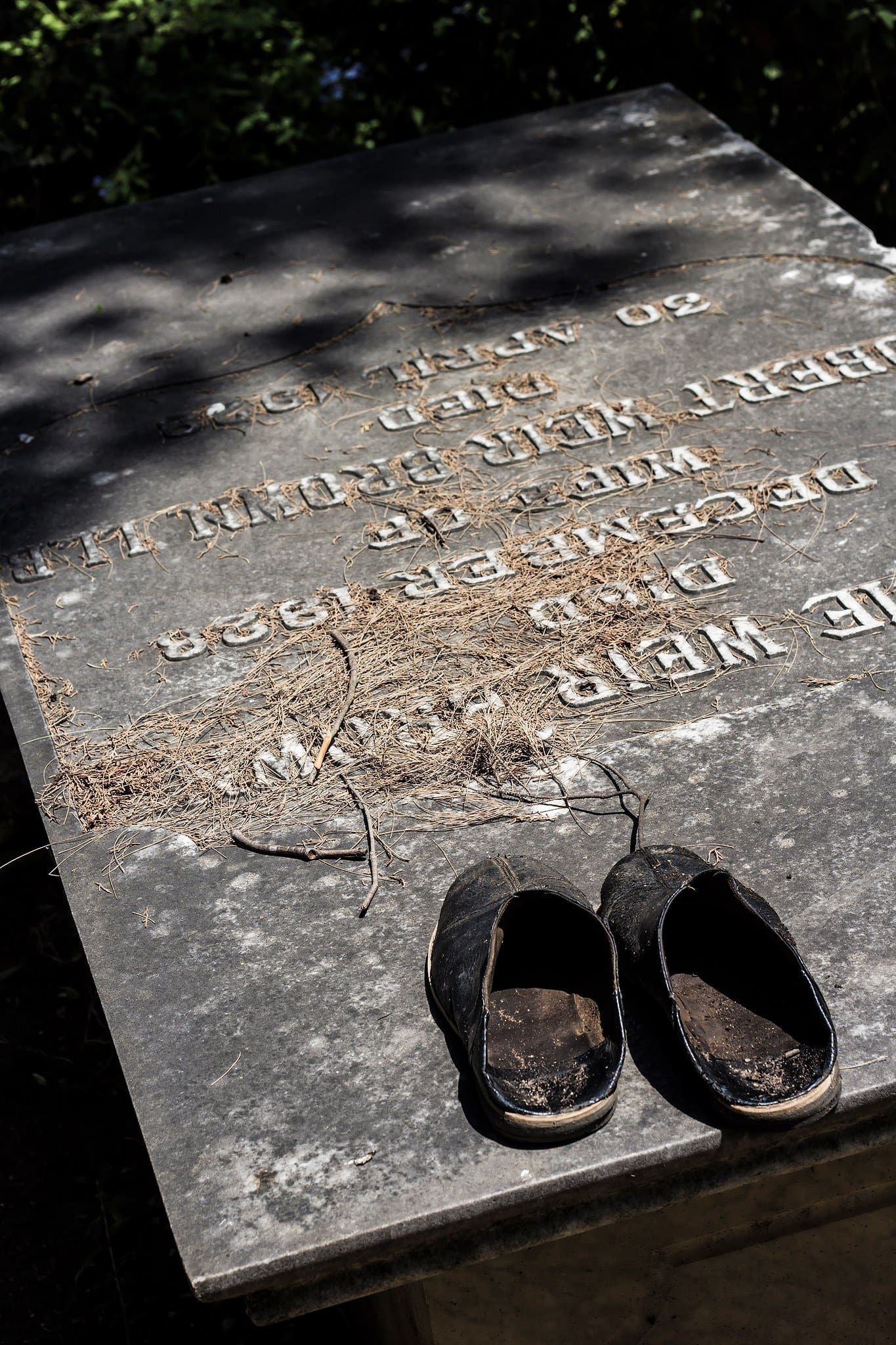
- Back in the city, another interesting stop is St Andrew's Church, an Anglican church with beautiful Moorish architectural influences. Next to it is an old English cemetery, a quiet reminder of Tangier's long connection with Britain.
Coffee & mint tea...
After wandering through the busy medina, surrounded by the calls of street vendors, the scent of spices, and the constant buzz of city life, there's nothing quite like sitting down at a little café and taking a moment to relax.
- The above-mentioned Café Tingis and Café Central in Petit Socco
- Anna & Paolo recommended and very cosy bar
- Café Hafa – An iconic café with a century of tradition, located in the center of Tangier. It has hosted many famous writers, artists, and musicians over the decades. The balcony offers a magnificent view of the bay
- Gran Café de París – the most important cultural and literary venue of the era, the "Zona Internacional"
Tangier is quite easy to explore on your own, especially if you're planning to spend most of your time around the medina, the kasbah, and the city centre. Many of the main sights are within walking distance, so there's really no need for a car or an organised tour.
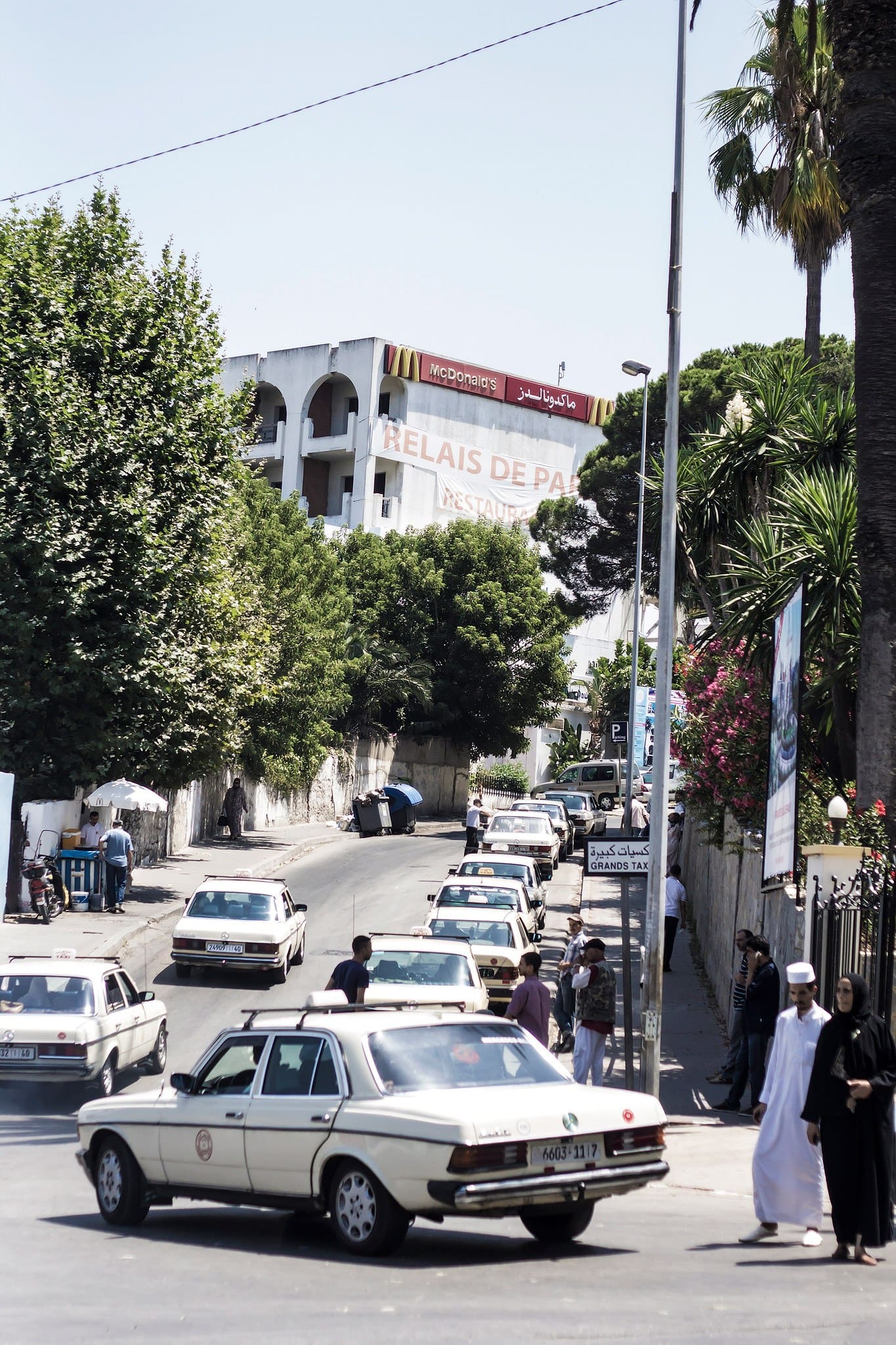
If you want to venture further out to places like Cape Spartel or the Caves of Hercules, however, taking a taxi is probably the easiest option.
Just be prepared to negotiate a little. Bargaining is very much part of everyday life here, and not only at the markets.
It's worth agreeing on the price of a taxi ride or any other service before setting off, rather than risking an awkward surprise at the end.
I'd also recommend being a little cautious when approached by people offering exclusive tours or promising to show you places that ordinary tourists supposedly never get to see.
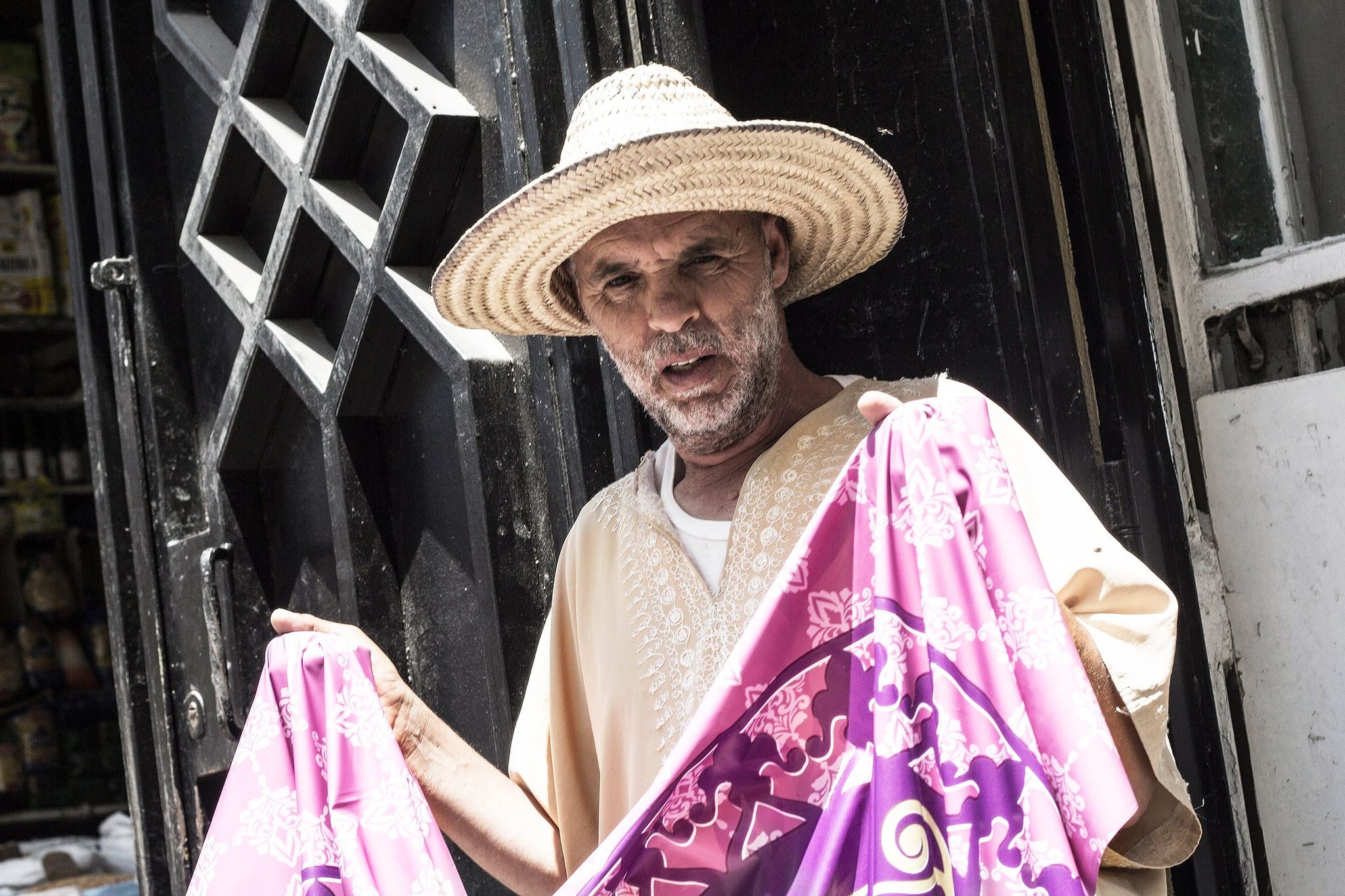
Some locals can be wonderfully enthusiastic when describing what they're about to show you. Their stories can sound so convincing that you almost start imagining yourself wandering through the interiors of royal palaces.But reality can be rather different!
During one of our taxi rides, there was such a huge hole in the car floor that we could actually watch the road passing beneath our feet! :D
Enjoy!
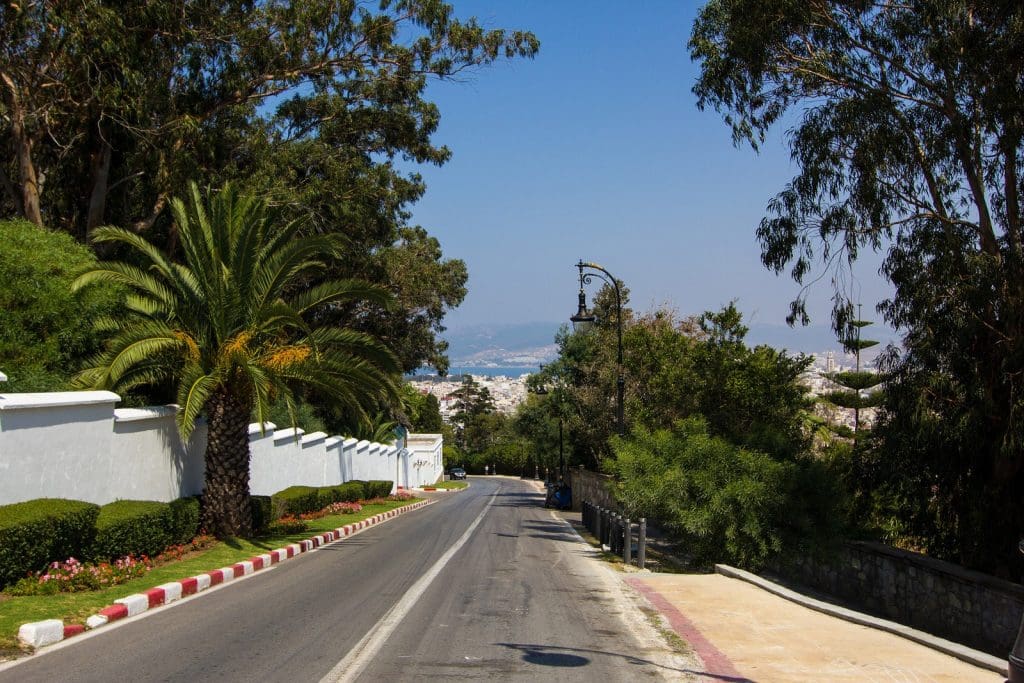
Is Tangier Worth Visiting for Two Days?
In my opinion, absolutely! Two days in Tangier gives you enough time to explore the medina without rushing, wander through the kasbah, enjoy a glass of mint tea in one of the city's historic cafés, and even venture out to Cape Spartel or the Caves of Hercules.
Of course, two days isn't nearly enough to truly get to know the city and its people. Tangier has many different sides to it, and a short visit can only offer a glimpse of what makes it so fascinating.
But for us, those two days were enough to get a real feel for its unique atmosphere. There was a little chaos, plenty of colours and aromas, some unexpected situations, and moments that still make us smile today.
So, if you're spending some time in southern Andalusia and wondering whether it's worth crossing the Strait of Gibraltar, I'd definitely recommend Tangier for a two-day getaway. Sometimes, all it takes is a short ferry ride to find yourself in a world that feels completely different from the one you've just left behind.
CLICK HERE to check out departure times, reservation options, information, and prices. You can purchase tickets in advance, or in the office before entering the port of Tarifa.
P.S. If you love books, I'd also recommend The Time in Between by María Dueñas (originally published as El tiempo entre costuras). Tangier plays an important role in the story, and reading it is a wonderful way to imagine the city during a very different chapter of its history.
Map of Tangier, on which I have marked the main attractions and cafes:


Leave a comment, ask a question...